

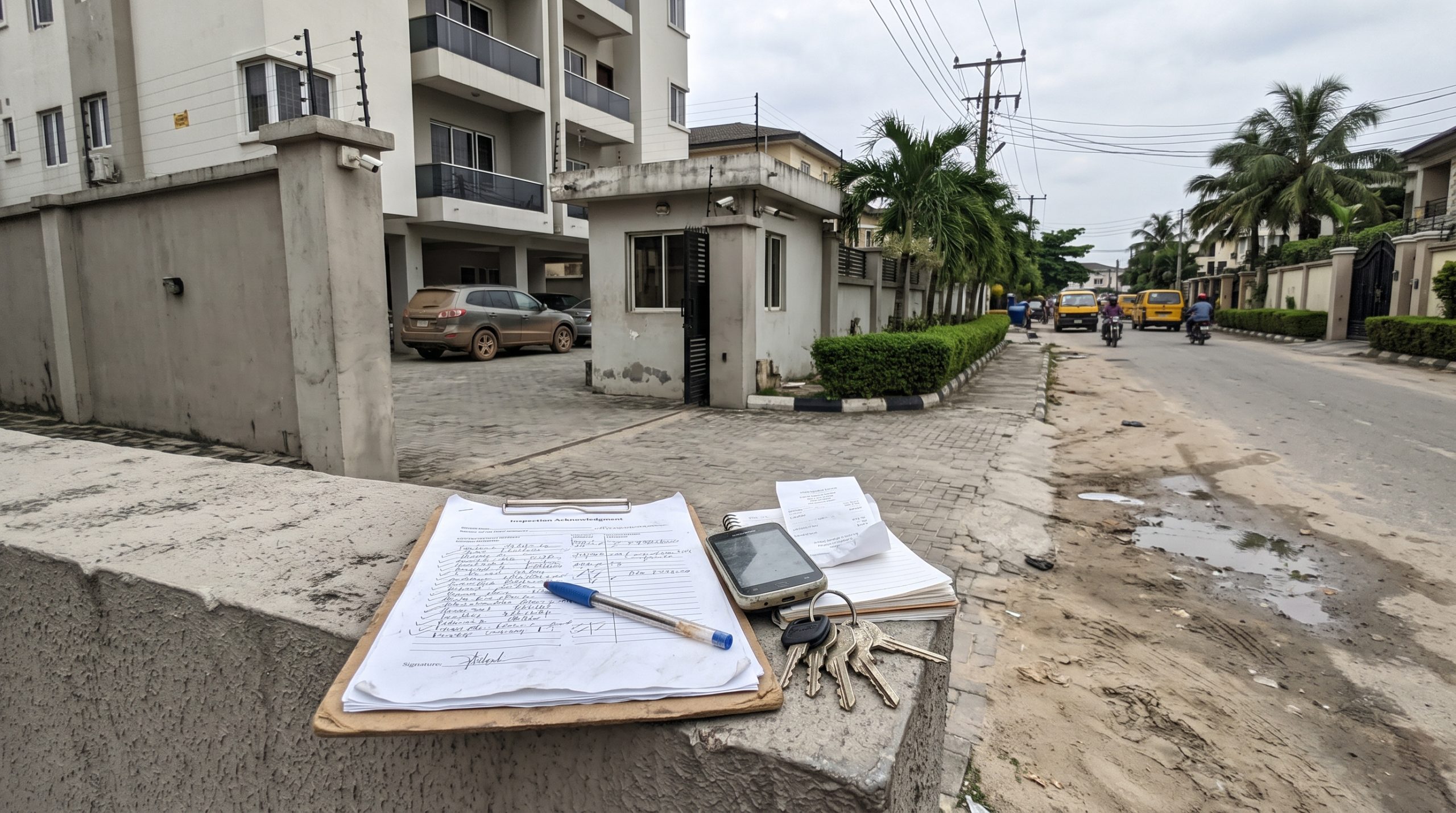
A home inspection is often viewed as a routine step in buying property. But the paperwork on it can be surprisingly important. Buyers may be asked to sign an inspection acknowledgment, inspection-contingency addendum, a waiver, or a document that their agent recommended an inspection.
All these forms don’t mean the same thing.
An inspection acknowledgment can be as simple as advising the buyer to get an independent inspection and stating whether they did or did not. However, an inspection contingency is a provision in the contract that may allow the buyer to renegotiate, ask for repairs, cancel the deal or get his deposit back if the inspection reveals unacceptable problems. The contract and state law specify what rights you have and when you must exercise them.
A waiver is a very serious thing. It could say the buyer is not having an inspection or that the buyer is waiving certain remedies based on what the inspection says. In competitive markets, some buyers will forgo inspections in an effort to make their offers more attractive. A buyer’s decision can have financial and legal implications for agents, so they may need written confirmation.
Documentation also protects you from future disputes. Real estate agents have a general duty to disclose known material facts and to recommend appropriate professional services. They are not building inspectors, however. A signed form can prove that an agent told the buyer to hire a qualified inspector and did not claim that the property was free of defects. But it does not excuse an agent from disclosing defects of which the agent has actual knowledge where disclosure is required by law.
The transaction itself may also trigger paperwork. Some sellers require buyers to take a property “as is,” but lenders, brokerages or state regulators may require specific notices. For homes built before 1978, federal law requires sellers to provide lead-based paint disclosures and to allow buyers to conduct a lead inspection or risk assessment. That requirement is separate from a general home inspection.
Buyers should never assume that a signature is merely administrative. Before signing, they should ask:
– Is this an acknowledgment, contingency, waiver, or release?
– What rights am I giving up?
– What are the inspection and response deadlines?
– Can I cancel, renegotiate, or request repairs?
– Does the form affect my deposit or legal remedies?
– Should an attorney review it?
The safest approach is to hire an independent inspector, attend the inspection when possible, and read every form before signing. A real estate agent can explain the transaction’s process, but the contract not a verbal assurance, determines the buyer’s rights.
Inspection forms exist partly to clarify those rights and partly to document the advice given. They should not be used to pressure buyers into surrendering protections they do not understand.