

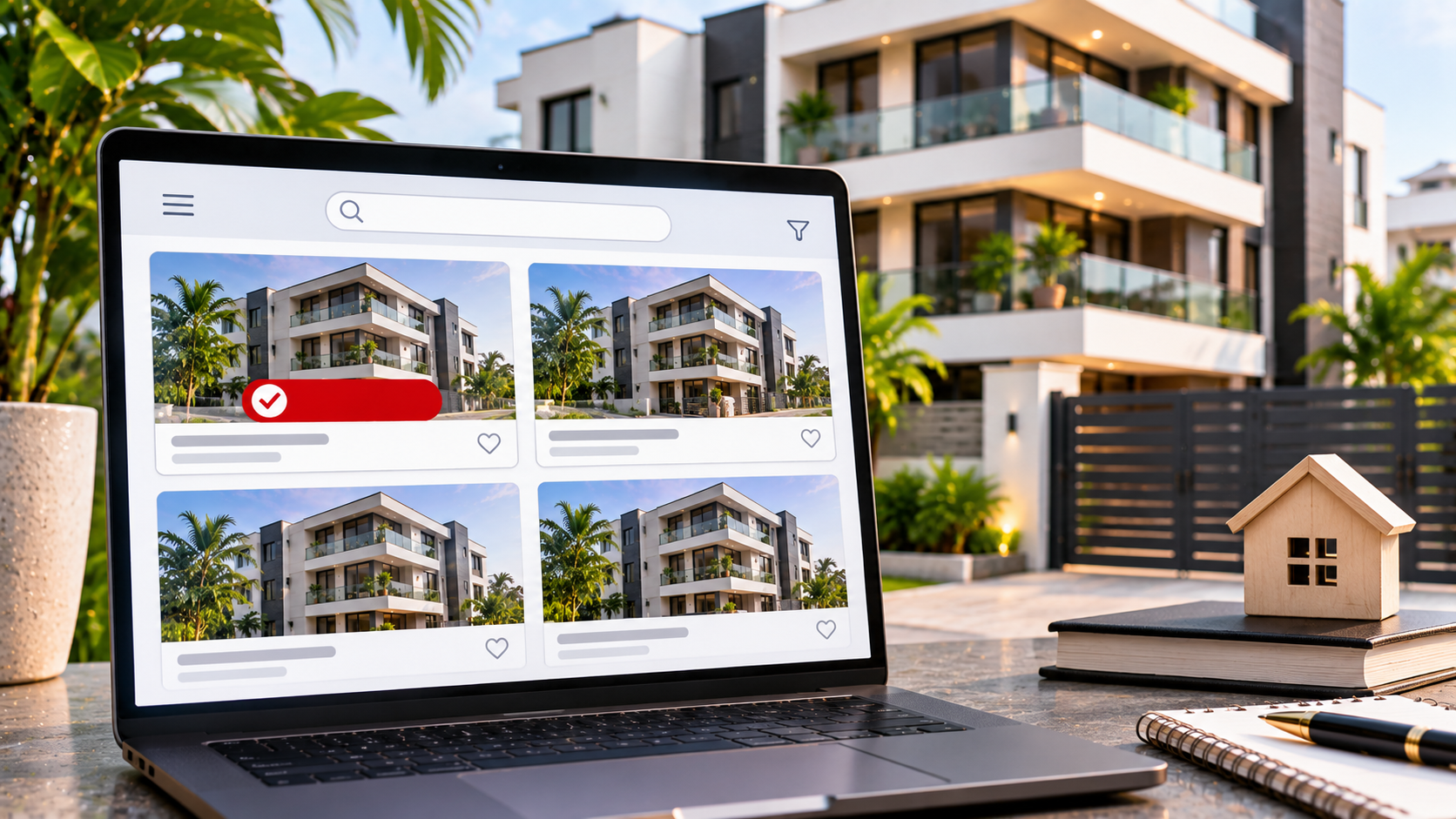
You find a house on the internet, schedule a viewing, submit an application, and discover someone else has already signed the lease. The listing was still live and the photos current and the website looked confident. What was wrong?
Often nothing sinister. Rental listings pass through several systems property-management software, multiple-listing services, real-estate portals and search engines and they don’t always update at the same speed.
The lease might not be final
So a landlord can still market a property while an application is being processed, income and employment verified, or a lease is awaiting signatures. During that time the home may be “pending” rather than rented. If the applicant fails screening or elects not to proceed, the owner needs the next qualified prospect ready to go.
Even after a lease is signed, the landlord may keep the listing visible until the tenant pays the deposit, completes paperwork, or takes possession. The practice differs depending on the owner, local law, and the rules of the platform.
One listing may be multiple homes
Big apartment operators often market a floor plan rather than a specific apartment. A listing could promote a two-bedroom model when there are several units available, with different addresses, prices or move-in dates. The one unit is leased, and the ad can stay up because another is opening.
The same can be true of agency managed homes. Through one feed a property can be listed on the agency’s website, the local multiple-listing service and portals. Each site receives data through its own feed and updates on its own schedule. Search engines may also retain cached pages after the original listing has changed.
Sometimes the listing is simply stale
Updating availability is administrative work, and smaller landlords may rely on manual edits. A property manager who forgets to remove an advertisement or lacks a synchronized system can unintentionally generate inquiries for a home that is no longer available.
But not every persistent listing is an innocent delay. Consumer-protection agencies, warn that scammers copy legitimate property details, advertise homes they do not control and demand money before a viewing or signed lease. A suspiciously low rent, pressure to pay by wire transfer or cryptocurrency, refusal to meet in person, and a landlord who claims to be overseas are major warning signs.
How renters can protect themselves
Ask whether the specific unit not merely the floor plan is available, and request its address, rent, move-in date and application process in writing. Verify the owner or manager through the property’s official website, local public records or a reputable brokerage. Do not send a deposit before seeing the property and confirming who has the legal right to rent it.
A listing that lingers online is not automatically fraudulent. It is often a sign of imperfect data plumbing. But renters should treat online availability as an invitation to verify, not a guarantee that the front door is still open.