

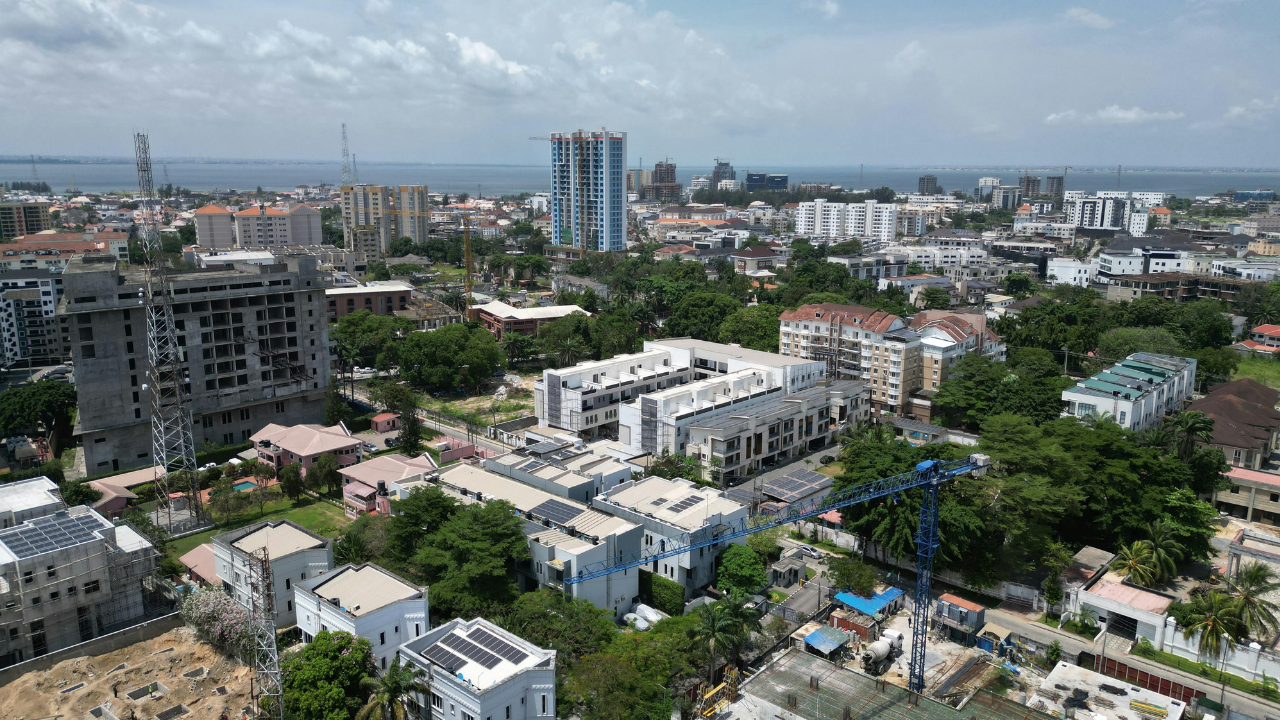
For years, the edge of cities around the world was a trade-off: more space, lower prices, and a punishing commute. That calculation is shifting. In large metro areas, mid-range buyers are migrating outward and peri-urban corridors are among the most active segments of the housing market.
The simple underlying force is that cities are getting more expensive faster than wages are growing. According to the World Bank, over half of the world’s population already lives in urban areas, and the share is projected to reach nearly 70% by 2050. With land and housing costs escalating in established urban centres, households are seeking out locations that offer a functional blend of price, space and access.
The peri-urban corridors, the spaces between the formal city and its surrounding towns, are increasingly able to provide that balance. They often have bigger homes at far less than in inner city neighborhoods, while new expressways, rail links and bus networks bring the cost of distance down.
And it’s not just first-time buyers who want it. Mid-income households are also upgrading, from rented apartments or small homes in the center to larger homes with parking, balconies, home offices and shared amenities. The pandemic reaffirmed the value of space, while for some occupations, hybrid work reduced the importance of proximity to a central business district. It didn’t eliminate commuting, but it altered the frequency of the trip.
Instead of isolated subdivisions, developers have responded with smaller, professionally managed housing projects. Residents are following schools, clinics, retail centres and logistics facilities, creating the beginnings of self-contained communities. This is critical because the need for housing is highest where jobs and everyday services are coming together.
But the opportunity also brings serious risks. A road isn’t a city. Peri-urban growth can mean long commutes and costly infrastructure deficits, unless there is reliable public transport, water, drainage, schools and healthcare. Informal development and ambiguous land titles can further expose buyers and lenders.
The corridors that will be most resilient are not going to be the cheapest ones. These will be those with credible infrastructure, diversified employment and transparent planning.