

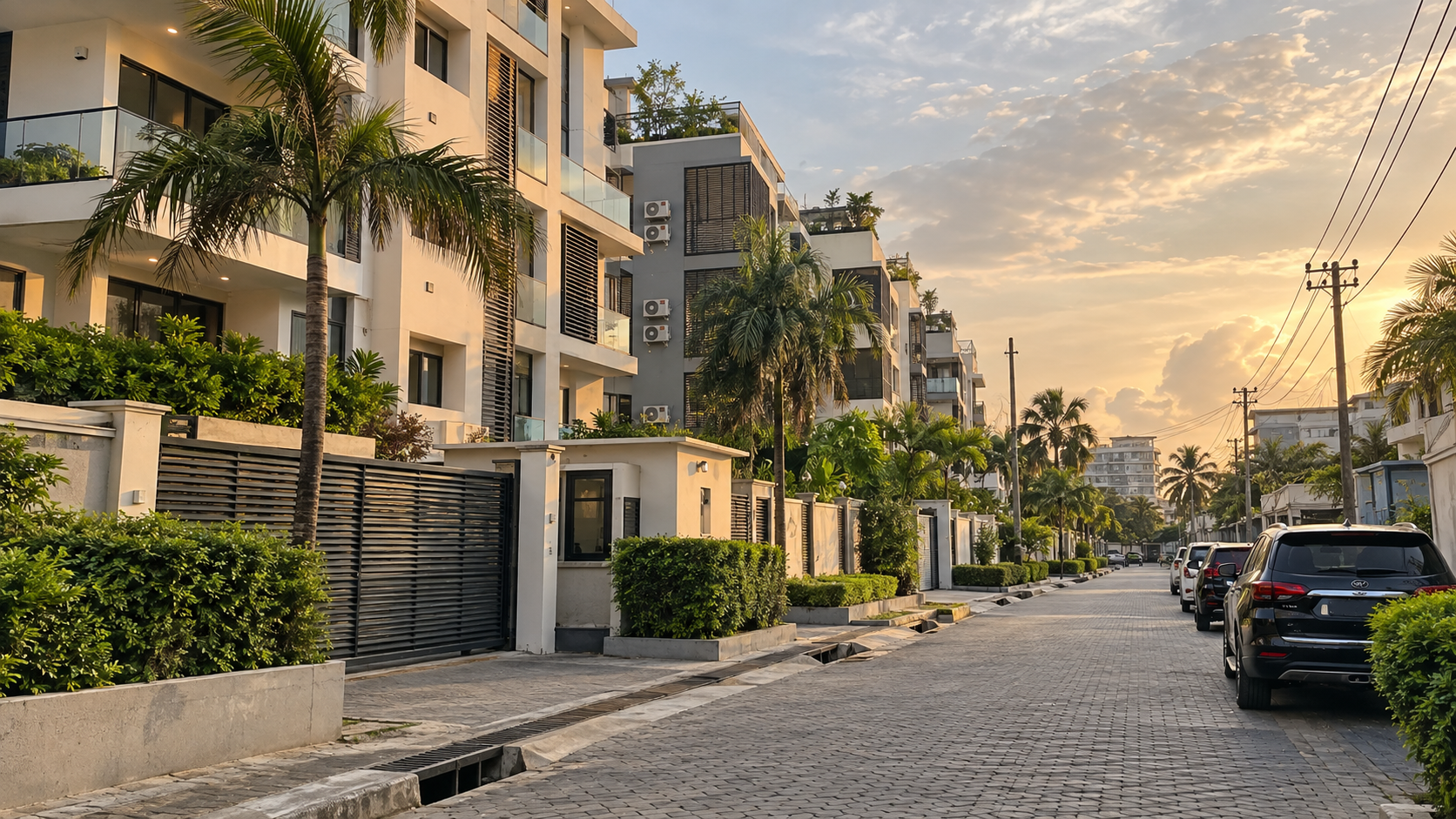
Lekki Phase 1 is still one of Lagos’ most expensive residential markets and rents are still increasing there.
A standard three-bedroom apartment in the area will cost a tenant around ₦12 million to ₦15 million annually for the 2025-26 rental cycle. This is the headline figure, but the market is sharply segmented by building quality, road access, security, power supply and the availability of amenities such as lifts, gyms and swimming pools.
A typical one-bedroom apartment goes for about ₦5 million to ₦8 million a year. Two-bedroom flats typically cost between ₦8 million and ₦14 million, while three-bedroom apartments are priced between ₦12 million and ₦20 million. Larger four-bedroom apartments and serviced apartments can cost ₦18 million to ₦35 million and above. Luxury apartments, newly built or fully serviced, can be significantly more.
These are asking rents, not sale prices. There is no central, audited database of residential lease agreements in Nigeria, so any ‘average’ should be taken as a market estimate. Listings posted recently on sites like Nigeria Property Center and PropertyPro show huge differences even within the same street, reflecting the difference between older walk-up buildings and newer developments that come with reliable infrastructure.
Rent is just one part of the financial commitment, too. Usually tenants pay a separate service charge for security, cleaning, refuse disposal, estate management and water and power for common areas. This comes to around ₦1.5 million to ₦4 million a year in many developments but premium buildings can charge more. Separate charges may apply for generator diesel, electricity consumption and air-conditioning maintenance.
So the costs of moving in can be a lot more than the rent stated. The agency and legal fees are usually a percentage of the yearly rent. You can also be charged a service charge and a caution deposit. Tenants should ask for a written breakdown before paying and check if utilities, estate dues and maintenance are included.
Location is the driver of the premium attached to Lekki Phase 1. It is close to Victoria Island, Ikoyi, major offices, private schools, restaurants and entertainment venues. Backed by its solid infrastructure and strong concentration of expatriate and professional tenants, demand is good. Meanwhile, the impact of traffic congestion, flood risks in some areas and reliance on private power generation continues to be felt from street to street.
For prospective tenants, the most realistic budget is therefore not simply “₦15 million for a flat.” A tenant seeking a well-maintained three-bedroom apartment should plan for ₦14 million to ₦24 million in first-year occupancy costs, depending on fees and service charges. In Lekki Phase 1, the address remains prestigious, but the full cost of living there is rarely stated on the rent listing.