

The prices of building materials in Nigeria have continued to fluctuate through 2026 and anyone planning a construction project needs current numbers, not numbers from a year ago.
The movement is driven by four forces: the cost of energy in cement production; the depreciation of the naira, which increases the cost of imported inputs; poor road infrastructure which increases the cost of logistics; and the sustained high demand from government infrastructure projects and private housing.
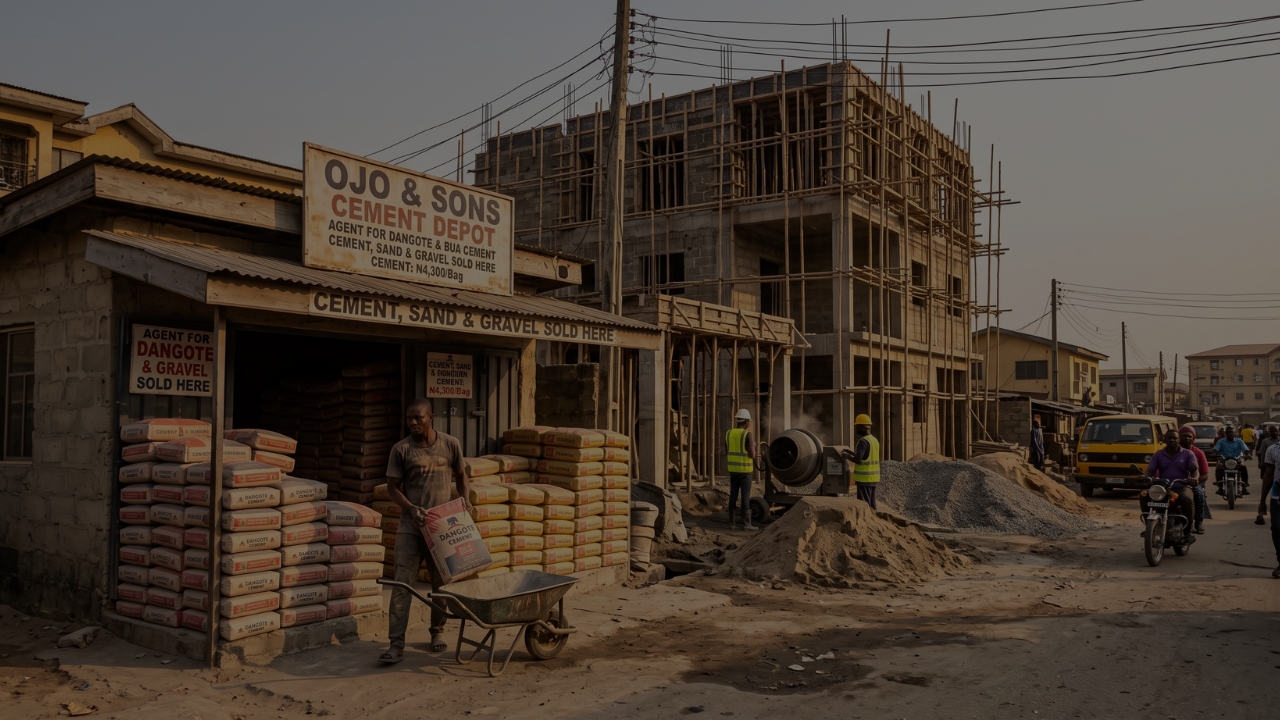
The most obvious example of this volatility is cement. In 2026, a 50kg bag has been trading anywhere between roughly ₦9,500 and ₦15,000. The wide spread is explained by brand, region and local supply conditions. Buyers outside the main urban corridors should allow for an additional 15-20% premium as transport and distribution costs increase the further a site is from a production hub.
Portland-Pozzolana Cement (PPC) has become a popular specification choice for residential projects in Lagos Island, Lekki or Port Harcourt as it reduces the incidence of thermal cracking in slab work and is usually less expensive than pure Portland cement.
Iron rods, the reinforcement steel that gives concrete its structural strength, have been quoted at around ₦1.1 million per tonne in early-to-mid 2026 making it one of the single most expensive material line items in any build. Prices vary according to the diameter of the rods, from the smaller 8mm bars used in lighter reinforcement work to the 25mm bars used in heavier structural elements.
Much will depend on the trajectory of the naira, which has gained some ground from its lows in 2024 and remains vulnerable to further strength, which could significantly reduce the cost of imported rods and raw steel inputs for local manufacturers.
Roofing materials finish the big three. Aluminium roofing sheets are the most commonly specified for mid-range builds, prized for their lighter weight and lower long-term maintenance than older zinc alternatives, while stone-coated steel sheets have become increasingly popular for higher-end builds looking for a heavier, more textured finish, at a corresponding price premium. The cost of roofing a standard bungalow usually runs into millions of naira when you factor in sheets/trusses and installation labour.
The practical takeaway for anyone budgeting a build in 2026 is timing and bulk buy. The volatility of these three materials within a quarter is prompting quantity surveyors to increasingly advise that cement and iron rod purchases be secured early and in bulk, rather than on a piecemeal basis as construction progresses, a tactic that shields a project budget from mid-build price shocks.
Anyone using older price guides, even from 2024 or 2025, should take those figures as being only directionally useful at best. The swings over the past two years have been too large for stale numbers to be reliable for actual budgeting.