

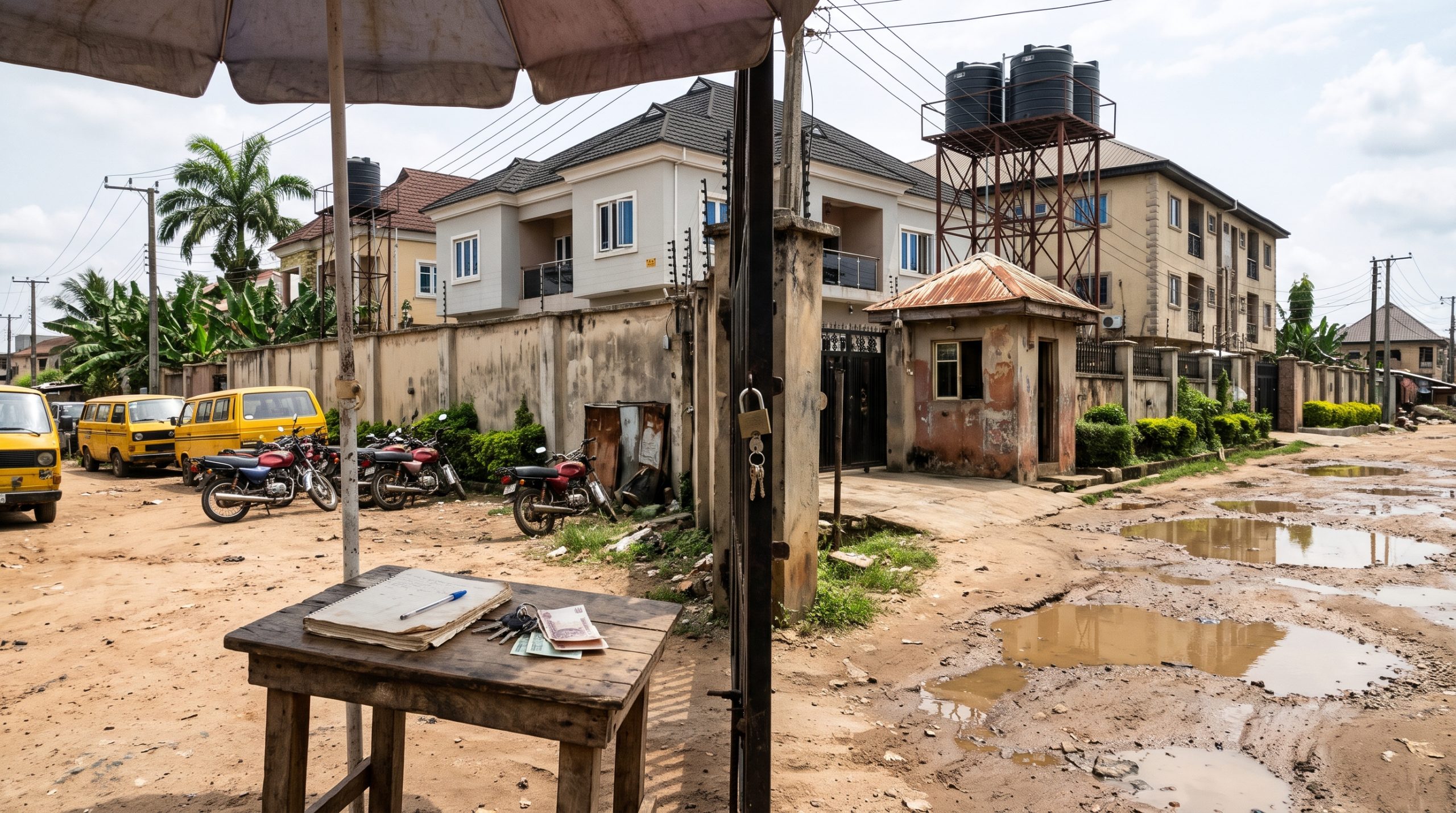
In Lagos, getting a home is rarely just a matter of looking and viewing. It’s a negotiation over money, information and sometimes competing claims to the same property. The smartest renters know the rules agents don’t always tell you.
1. The person showing you the flat might not be the person who is authorized to let it
Many listings in Lagos are recycled across WhatsApp groups and property platforms. Some agents have a direct mandate from the owner, some are middle-men from another agent’s listing. Ask early: Who is the landlord? Who carries the mandate? How many parties will get paid?
Before you send any money, check the person is the owner, or has the landlord’s authority to let the property. For registered land, land searches can be conducted through the Lagos State Lands Bureau. If the property is owned by a company, check the company’s identity with the Corporate Affairs Commission. An agent’s confidence is no evidence of title.
2. Confirm all fees before viewing
In Lagos there is a viewing fee, but it should be mentioned before you leave home. Transport covered? Refundable? Per property or per day? Stay away from anyone who changes the amount at the meeting point.
Ask for a written statement of the total cost, including rent, agency commission, legal fees, caution deposit, service charge, diesel, water, waste disposal, estate dues and other recurring charges. Cheap rent becomes expensive with service and power charges.
3. “Agency fee” has a legal cap, at least in covered areas
Section 26 of the Lagos State Tenancy Law 2011 prohibits agents from demanding more than 10 per cent of the rent as commission or agency fee. The law does not cover every location or type of premises: areas including Ikoyi, Victoria Island, Ikeja GRA and Apapa are excluded, as are some commercial properties and other specified categories. Legal fees and other charges are separate questions and should not be quietly folded into “agency.”
The law also addresses rent advances, but its practical application depends on the tenancy and location. Do not assume a verbal demand is lawful or that refusing it will be consequence-free. Get professional advice for a disputed or high-value transaction.
4. Inspect when the city is behaving normally
A viewing at noon on a dry Sunday tells you little. Visit during rush hour and, if possible, after rainfall. Check access roads, drainage, mobile reception, water pressure, parking, security and noise. Ask residents about flooding, generator hours and service-charge increases.
Power arrangements deserve special attention. Is the building on a shared generator? Who buys diesel? Are meters prepaid? Ask to see recent bills rather than accepting estimates.
5. Never pay to “hold” a property without paperwork
Pressure is a standard closing tactic: “Another person is coming with cash.” It may be true, but urgency is not evidence. Do not pay a deposit without a written offer, the recipient’s identity, a refund policy and clear terms stating when the money becomes non-refundable. Pay through a traceable channel and insist on a receipt.
The unwritten rule is simple: in Lagos property, politeness opens the door but documentation keeps you inside.