

Nigeria’s luxury property market is increasingly going through the motions for the first viewing.
That switch isn’t surprising. Reports show that Nigeria has 103 million internet users and 36.75 million social-media user identities as of January 2024. For agents, developers and private sellers, platforms like Instagram, Facebook, YouTube, TikTok and LinkedIn have become more than just advertising channels. They are prospecting tools, credibility platforms, and increasingly they are the front end of the sales process.
But visibility does not equal conversion. Video doesn’t perform well to buy a ₦500 million home.
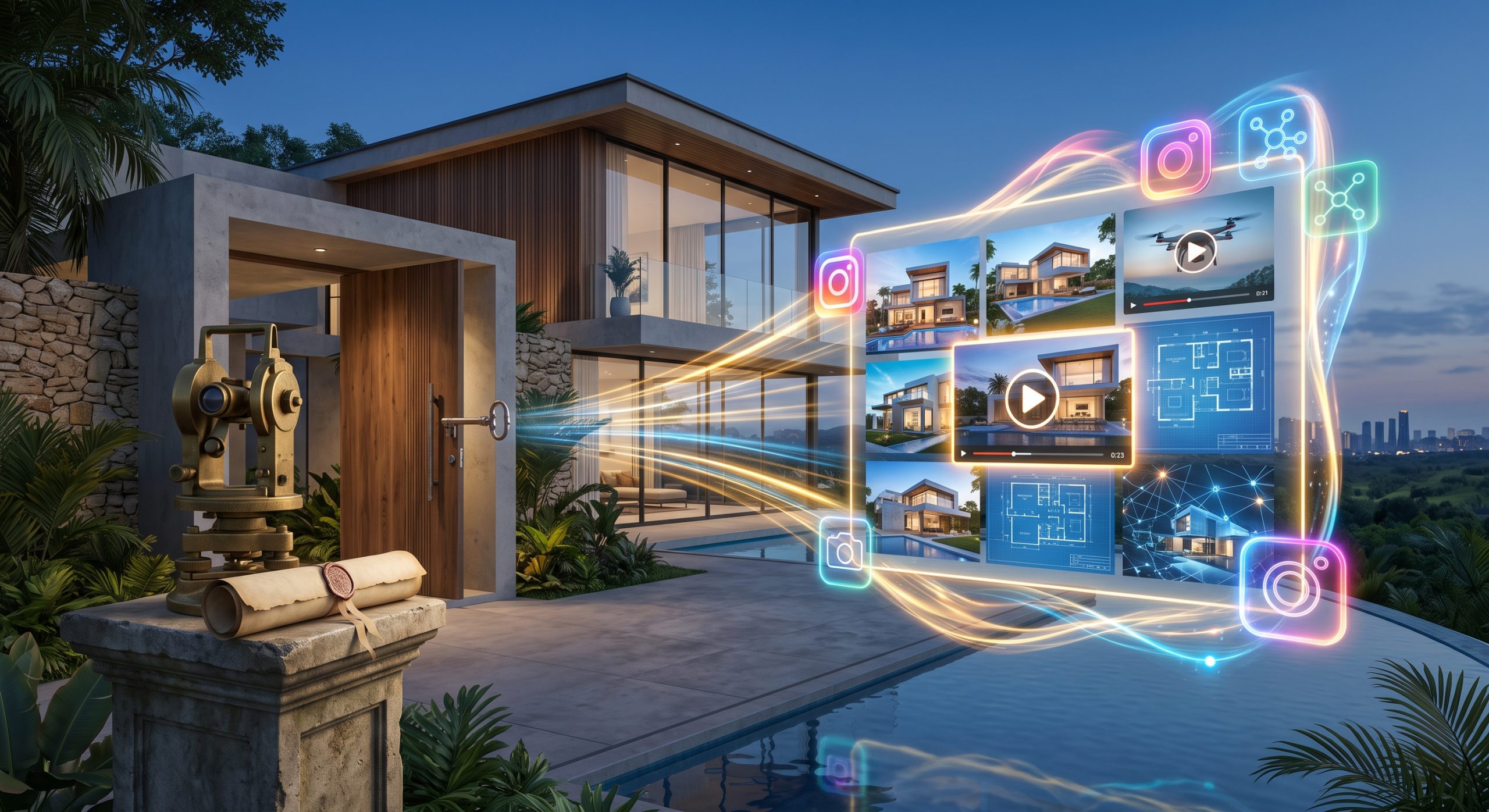
The biggest value social media brings is bridging the gap between a qualified buyer and a credible opportunity. Prospective buyers in Lagos, Abuja, London or Dubai are able to see properties before a physical inspection through high quality photography, drone footage, architectural walkthroughs and concise location intelligence. This first layer of access is what matters for diaspora Nigerians and for international investors.
It also shifts the way we build trust. A serious developer can use social channels to showcase progress of construction, completed projects, planning information, customer testimonials and the professionals behind a development. Consistency is king: an active, transparent digital record is more compelling than a glossy, one-off advert. LinkedIn, for example, offers buyers the chance to evaluate a company’s leadership, partnerships and institutional history – signals that are frequently important in a market where counterparty risk is a fundamental concern.
The best operators use social media as a qualification system, not a popularity contest. You can search by budget, preferred location, intended use and purchase timeline. A person who likes a post has less intent than a prospective buyer who downloads a brochure, attends a virtual presentation or requests title deeds. The agent’s job is to move that prospect into a structured sales process – a call, a viewing, a financial conversation and independent verification.
This last step is non-negotiable. Social media cannot create title, verify planning approval or ensure a seller has the right to deal with a property. Buyers are advised to verify ownership and encumbrances in the appropriate land registry such as Lagos State Lands Bureau or Abuja Geographic Information Systems, engaging an independent property lawyer and surveyor. Payments are to be made as per written contracts and confirmed banking instructions and not by direct message.
The best campaigns therefore connect digital storytelling to offline evidence. They present the property attractively, answer difficult questions publicly and make due diligence easier. They also recognise that luxury buyers are purchasing more than square metres: they are buying security, location, liquidity and confidence in the transaction.
In Nigeria’s high-ticket property market, social media rarely signs the final contract. It earns the meeting that makes the contract possible.