

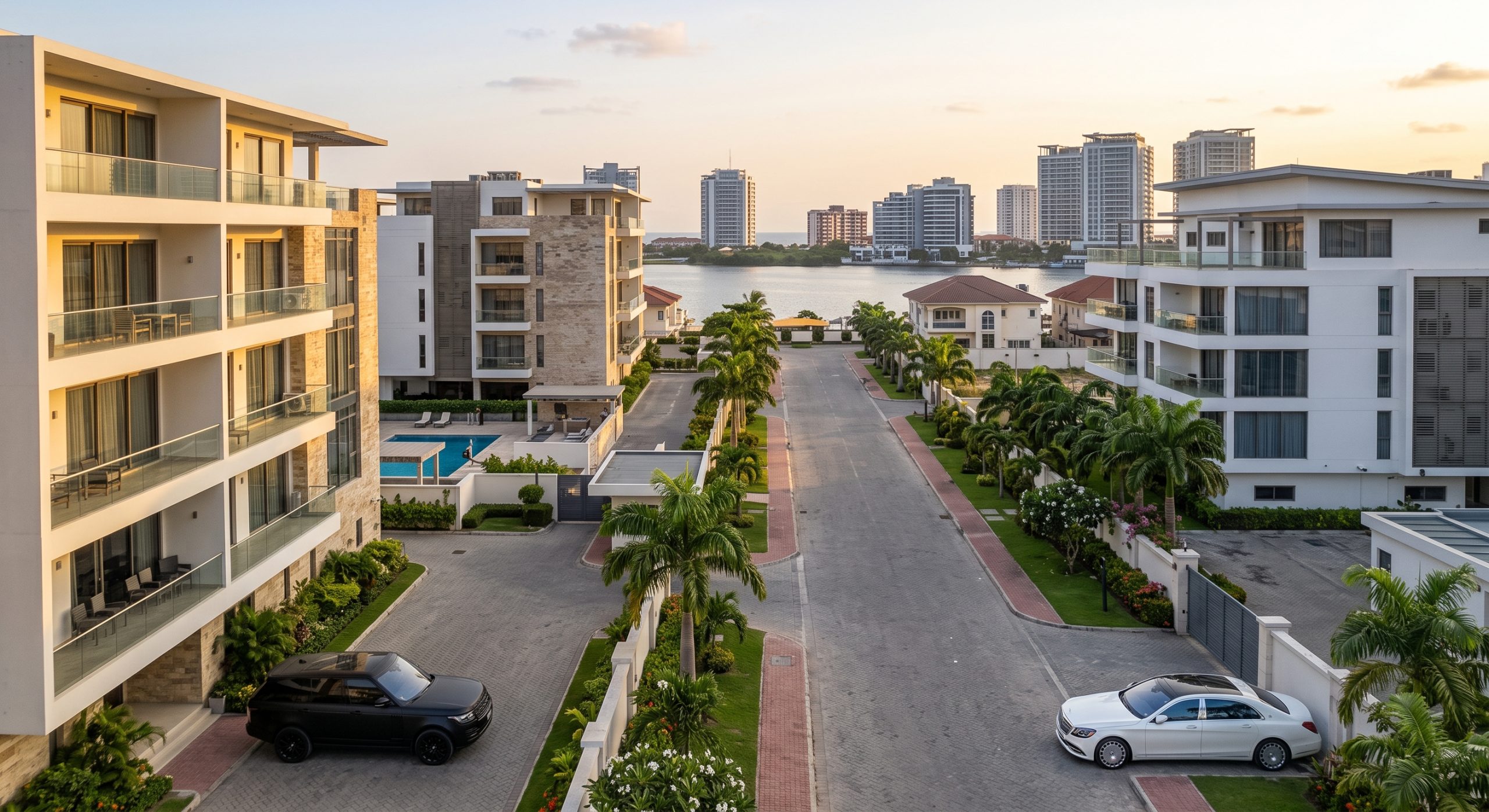
Oniru’s biggest expenditure is housing. A review of asking prices on PropertyPro and Nigeria Property Center in late 2025 put annual rents broadly in the following ranges:
One-bedroom apartment: ₦5 million–₦10 million
Two-bedroom apartment: ₦8 million–₦18 million
Three-bedroom apartment: ₦12 million–₦30 million
Serviced or luxury apartments: substantially higher, often priced monthly
These are asking prices, not completed transactions, and vary with furnishing, power supply, security, parking, facilities and proximity to the waterfront. A tenant should also budget for legal agency and agreement fees that could add 10-20 per cent on to the rent. But the truth is that you may likely have to spend more than ₦14.0m to get a ₦12m apartment.
Power is another big expense. Oniru is better provided for than many other Lagos neighborhoods, but residents still rely on generators, inverters or estate power systems. Monthly electricity, diesel and service charges can amount to anything from about ₦50,000 to over ₦250,000 depending on the size of the household and the building. Internet costs are generally ₦20,000-₦60,000 a month.
It is not too bad for people working on Victoria Island or Ikoyi getting around but not too good for people commuting to Ikeja, Yaba or the mainland. A ride-hailing service trip can cost ₦2,000-₦5,000 (₦8,000+ for peak periods). For those who drive, there is fuel, parking and Lagos traffic to contend with. Neighborhood location reduces distance but not necessarily travel time.
Food prices reflect Oniru’s rich clientele. A professional buying a combination of groceries, takeaway meals and restaurant food could spend between ₦150,000–₦300,000 monthly. A family of four could spend between ₦300,000 and ₦600,000, excluding premium dining, imported goods and domestic staff. There is a huge difference between a home-cooked budget and a restaurant lifestyle.
A realistic monthly budget for one professional renting a two-bedroom flat may therefore look like this:
– Rent, annualised: ₦670,000–₦1.5 million
– Power and service charges: ₦75,000–₦250,000
– Food: ₦150,000–₦300,000
– Transport: ₦80,000–₦200,000
– Internet and household costs: ₦40,000–₦100,000
That puts ordinary monthly spending at roughly ₦1 million–₦2.35 million, excluding school fees, healthcare, leisure, and major purchases.