

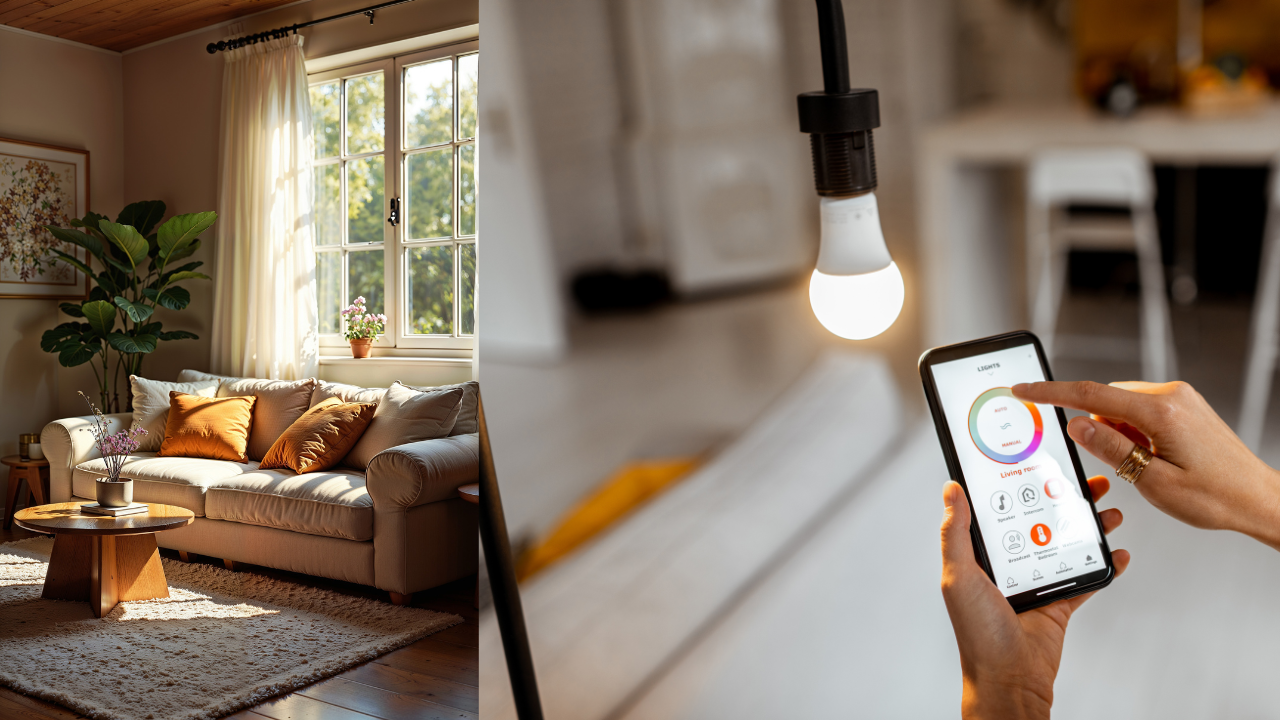
Thicker insulation and more energy-efficient appliances are only two aspects of modern apartment energy saving. Lighting, which was previously controlled by a simple wall switch, is now programmable, responsive, and, with the correct design, significantly less wasteful.
The biggest gain is still provided by the light source itself. The U.S. Department of Energy claims that compared to incandescent bulbs, light-emitting diodes (LEDs) can last up to 25 times longer and use at least 75% less energy. A comparable 9-watt LED can replace a 60-watt incandescent bulb used for three hours a day and save around 56 kilowatt-hours annually, or about $9 at 16 cents per kilowatt-hour. When you multiply that over a building, the savings are substantial.
Smart controls add another depth. Occupancy sensors can turn off the lights in laundry rooms, restrooms, hallways, and storage areas when no one is there. Daylight sensors can reduce artificial lighting near windows, while scheduling ensures that common room and outdoor lights only switch on when needed.
Apartments have a special opportunity since various lighting improvements can be made without major construction. Wireless switches, smart bulbs, and retrofit sensors are suitable for rental buildings where landlords might be reluctant to make major modifications because they are compatible with existing wiring. Building managers may monitor issues, adjust brightness, and identify lights that are utilising power after hours by using centralised systems in common areas.
The economics are best when efficiency is integrated into the structure rather than added as a tool. A smart bulb that is constantly connected uses even a little amount of standby power. Inadequately configured systems can also encourage “rebound” behavior, such as people leaving ornamental lighting on for longer periods of time even though it appears inexpensive. The solution is not additional technology but better defaults, such as dimming, logical schedules, automated shutdown, and straightforward manual overrides.
Installing motion or occupancy sensors in low-traffic areas, switching out commonly used lightbulbs with LEDs, and setting up routines that turn off lights when the household leaves are usually the best options for rentals. Make sure linked devices are secure with current software and strong passwords. A lighting system should reduce energy use without creating additional privacy or cybersecurity risks.