

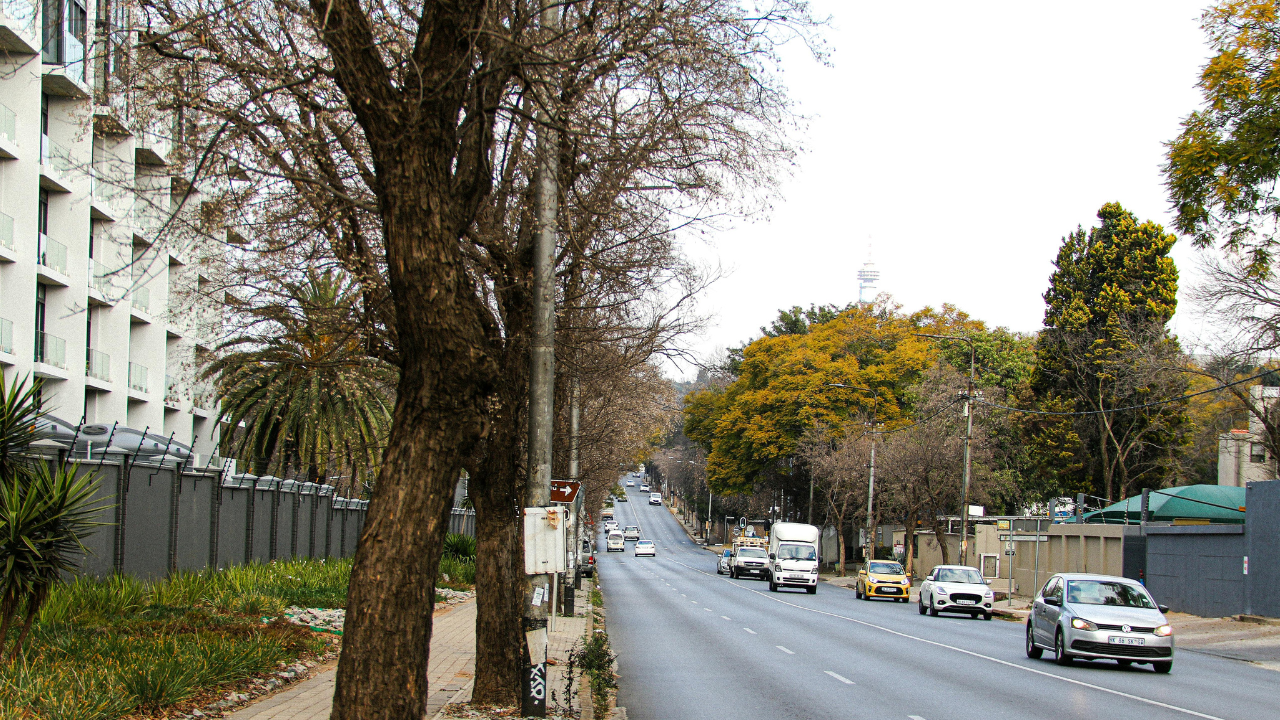
For Nigerians looking for a foothold abroad, Johannesburg offers something more practical than glamour: a deep property market, established legal institutions and a large, sophisticated economy. But it’s not a simple “buy, rent and profit” story. That is why the best investments are based on due diligence, realistic cash flow projections and prudent management of currency and tax.
Buying property as a foreigner
South Africa generally permits non-residents to buy residential and commercial property. A Nigerian passport holder does not require South African citizenship or permanent residence to own a home. The transfer is done by a conveyancing attorney, and ownership is registered at the deeds office.
But buying property does not give the owner a visa, residency or work rights. South Africa’s visa regulations should treat immigration status separately.
The safest transactions are those involving a conveyancer appointed to protect the interests of the buyer – not just an agent recommended by the seller. Before signing, buyers should check the title deed, zoning, municipal accounts, building approvals, outstanding rates and any restrictions on the property.
Location is an investment decision
Johannesburg is not a monolithic market. Sandton, Rosebank, Melrose Arch and some of the northern suburbs attract corporate tenants and wealthy buyers. Midrand and the eastern suburbs may have a different price and rental profile.
In general, a property close to transport, offices, universities, hospitals and established retail is easier to rent and resell. But investors should consider the specific building and neighbourhood. Security, water reliability, electricity interruptions, insurance costs and the financial health of a sectional-title scheme can have a material impact on returns.
What appears to be a promising rental yield on paper can dwindle when you factor in levies, municipal rates, repairs when the property is vacant, letting fees, insurance and tax. Ask for real rental evidence, not estimated numbers that only the seller will give you.# Currency and funding risks
South African banks can lend to non-residents but generally with tighter conditions than they do to residents. The buyer must show income, assets, source of funds and ability to repay. Deposits can be large, and lending terms are different for each bank and each applicant.
For Nigerians, currency risk is very important. An investment funded in naira can become more expensive if the rand strengthens or the naira weakens. Buyers should determine the total cost in both currencies and should not assume that rents in Johannesburg will automatically offset exchange-rate movements.
Tax is part of the price
If the transfer is liable to VAT (for example, when buying from a VAT registered developer and the circumstances require VAT) then the buyer may pay transfer duty. Rental income from South African property is generally subject to tax in South Africa and profit on sale may be subject to capital-gains tax. Nigerian tax obligations may also arise depending on residence and rules.
Consult a South African conveyancer and a tax adviser familiar with both jurisdictions before signing up. The best Johannesburg property investment is not the one with the most persuasive brochure, but the one whose title, cash flow, tax position and exit strategy stand up to scrutiny.