

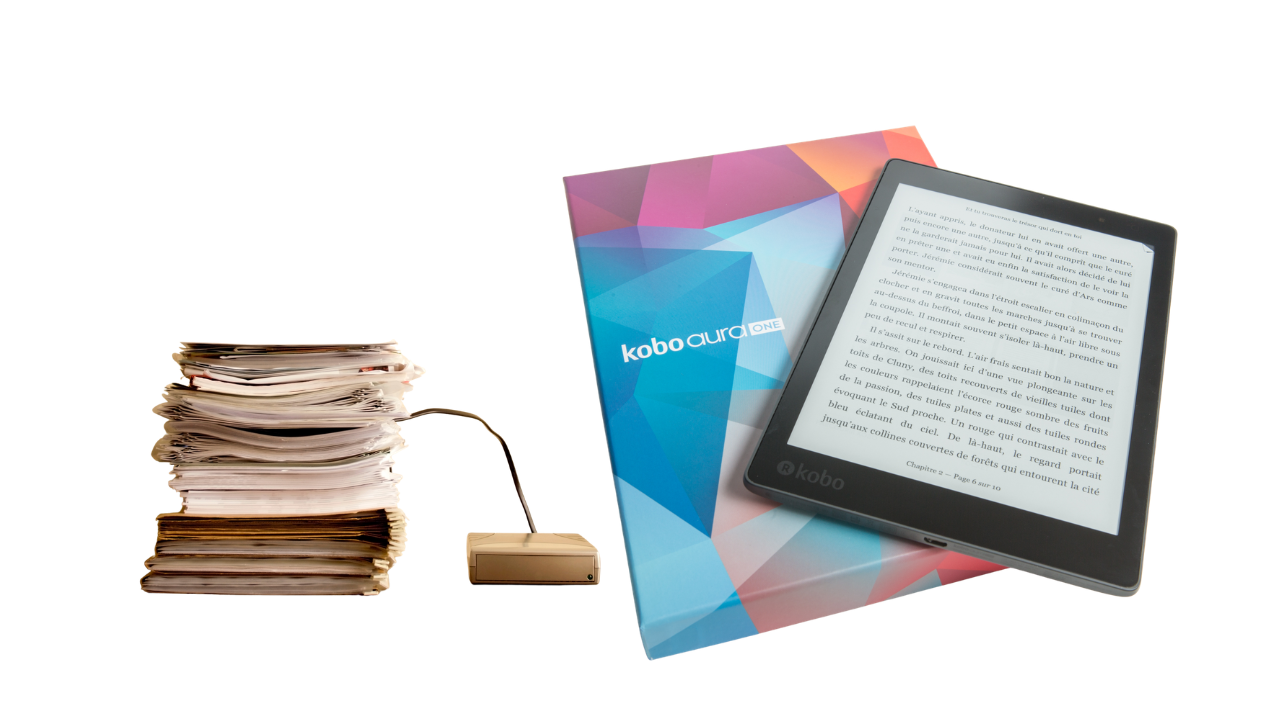
The filing cabinet is giving way to the cloud in the modern lease. These days, it is possible to complete applications, identification checks, credit reports, guarantor forms, leases, and move-in inventories over the phone, often without printing a single page.
The appeal is simple for agents and landlords. Digital platforms can record timestamps, highlight missing fields, route documents to the appropriate parties, and produce an audit trail that indicates who signed what and when. Instead of waiting for scans, mail, or an office appointment, a tenant can get a completed lease right away. Additionally, property managers benefit from consolidated records, which lowers the possibility of misplaced documents and redundant data entry.
However, “paperless” does not equate to “free of documentation.” According to the law, a legitimate digital process must get consumer agreement for electronic transfer, maintain the original material, and make records available to the parties. Businesses must be able to accurately duplicate electronic records, and people must typically be instructed on how to access and save them.
Additionally, the technology creates new responsibilities. Sensitive data, such as bank account information and identification records, are handled by leasing platforms. The average worldwide cost of a data breach was estimated by IBM in 2023 to be $4.45 million, highlighting the financial ramifications of inadequate security, even if the figure includes all industries, not just leasing. Therefore, practical requirements rather than premium features include encryption, multifactor authentication, employee access restrictions, and proven backup methods.
Additionally, digital leasing needs to continue being accessible and equitable. Applicants without dependable internet access, cellphones, or digital literacy may face obstacles if only an app is offered or if complex technology is required. It can still be essential to use a printed or in-person alternative.