

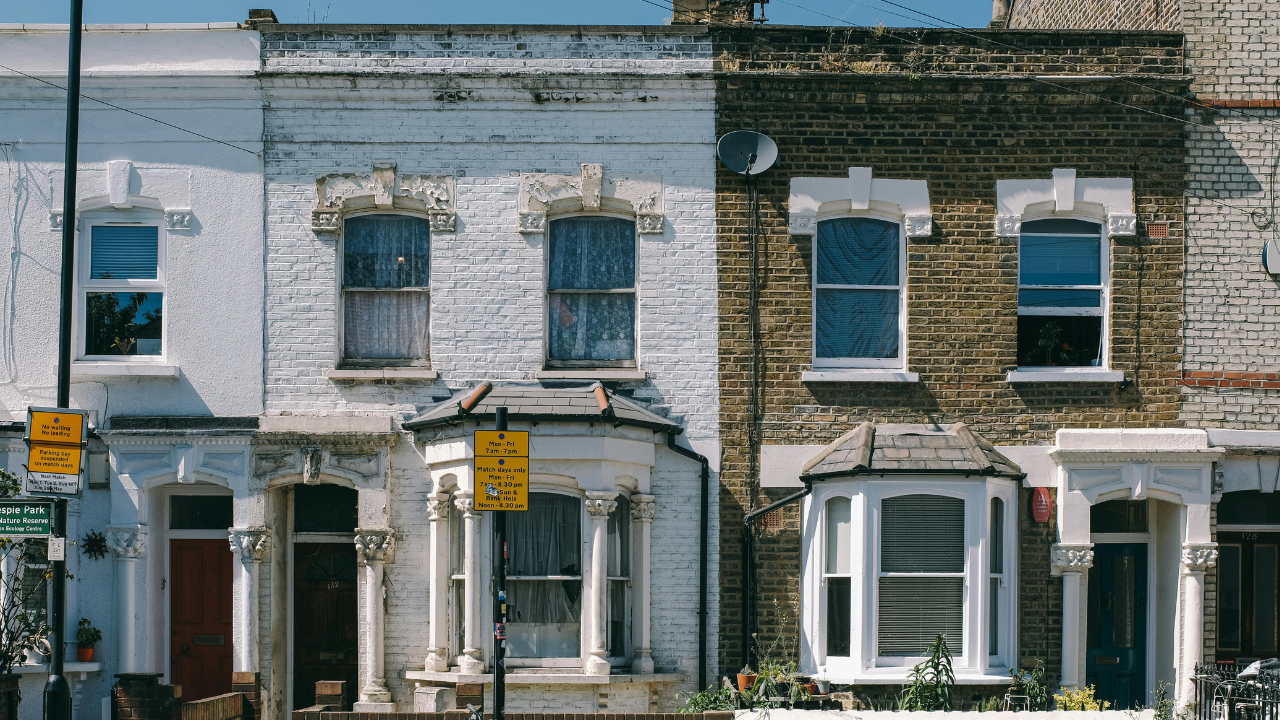
London property remains attractive for Nigerian buyers for its global reputation, deep rental market and relative legal clarity. However, purchasing a house in the capital is no shortcut to British residency and the costs are far higher than the purchase price.
Let’s begin with the purpose
The strategy will differ for a family home, a long-term investment and a future relocation. Central London has prestige and liquidity but usually lower rental yields. Suburbs and outer boros may offer more space and better rental prospects, though resales may take longer.
Prices vary widely across boros and property types. Rather than taking the averages from the estate-agents at face value, buyers should check the UK Land Registry and the Office for National Statistics. Valuations should be based on recent closed sales, not current listings.
Know the tax bill
The main tax on acquisitions is Stamp Duty Land Tax (SDLT). In England, progressive rates are applied to residential property and a five-percentage-point surcharge applies to buyers who already own another property. Residents outside the UK generally pay an extra two per cent.
The non-resident test is largely determined by the number of days you spend in the UK in the 12 months before completion.
At present rates, a non-resident buying an additional £500,000 property could face around £50,000 in SDLT, not to mention legal, mortgage and moving costs. Rates and reliefs may change, and buyers should seek a calculation from a UK tax adviser before making an offer.
Rental income is subject to tax in the UK. Letting agents or tenants may have to deduct basic-rate tax under the Non-Resident Landlord Scheme unless you agree with HM Revenue & Customs that you can receive gross rental payments.
Capital gains tax could also be payable on a future sale; non-residents are generally required to report disposals of UK residential property to HMRC within 60 days. Nigeria and the UK have a treaty for the avoidance of double taxation, but its application will depend on the facts of the investor.
Finances and proof of finances
UK lenders may consider non-residents, but the underwriting is stricter. Expect larger deposits, better rates, more paperwork and restrictions on what kind of income is acceptable. A Nigerian buyer should put in place a foreign exchange and mortgage plan before bidding.
UK solicitors and banks must verify identity, beneficial ownership and source of funds. Keep clear records of how money was earned, converted and transferred. Several unexplained accounts – or cash – can slow down or stop a transaction.
Money must flow through regulated banks and authorised professionals
A solicitor should check the title, planning permissions, the length of the lease, the service-charge history, building insurance and restrictions on subletting. For flats, consider fire-safety papers, cladding or external-wall assessments, major-works bills and the building’s reserve fund. Short leases can be costly to extend and hard to mortgage.
No quick fix for property-for-visa
Purchasing a property in London does not grant you a visa, residence rights or citizenship. Anyone who wants to settle in the UK must do so via the proper immigration route.
The best advice is co-ordinated advice from a UK solicitor, tax adviser, regulated mortgage broker and Nigerian foreign exchange professional. The purchase is a project of law and finance, not a property search.