

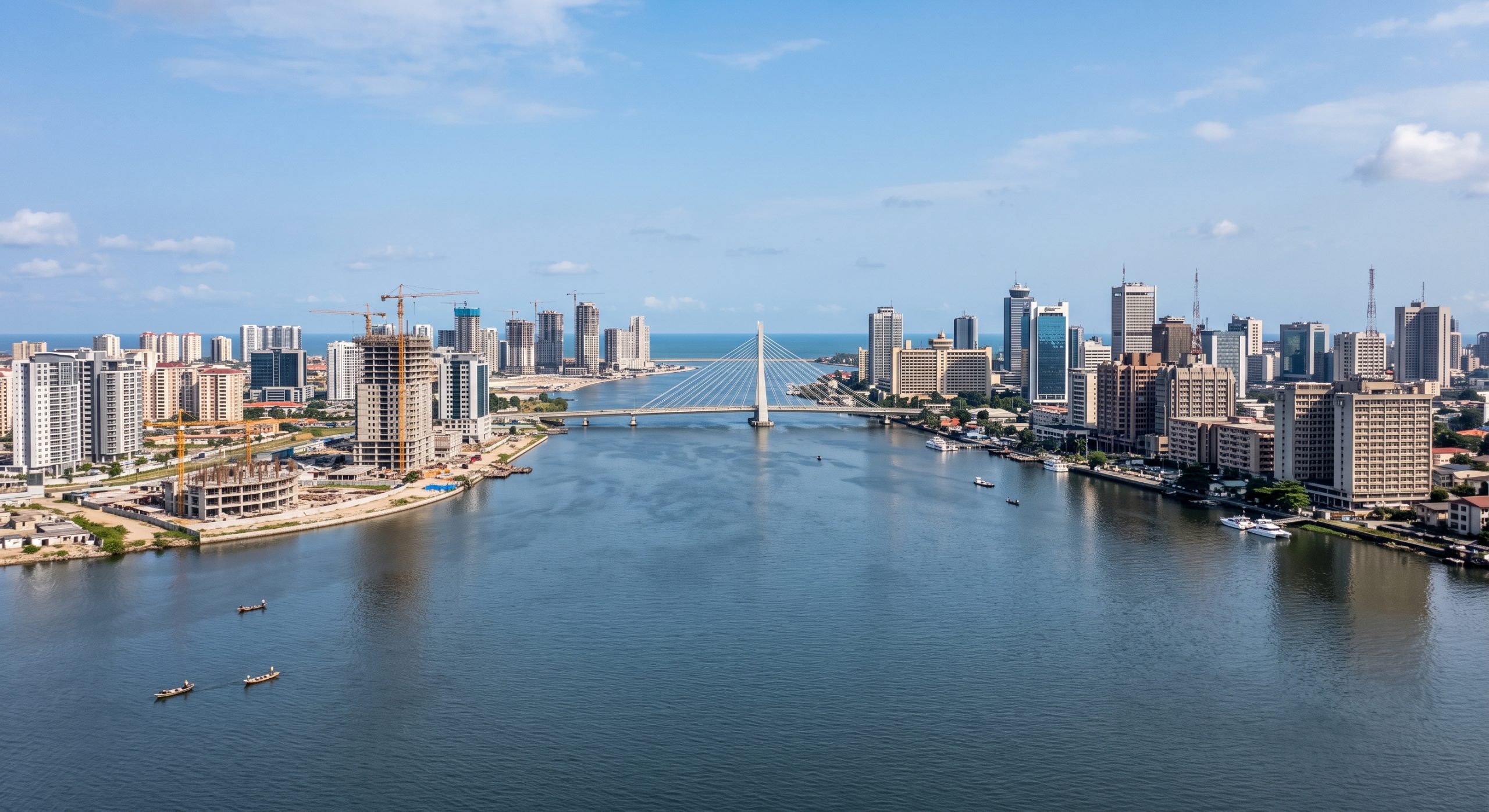
For the wealthier residents and businesses in Lagos, the decision to choose between Lekki Phase 1 and Ikoyi is rarely just about prestige. It’s a decision of age, access, infrastructure and the daily cost of living with the city’s traffic, flooding and rapid growth.
Ikoyi: established, central and expensive
Ikoyi is the older of the two. It is situated between Lagos Island, Victoria Island and Obalende and became a major residential and diplomatic enclave during the colonial period. Its mature streets, established utilities and proximity to major offices remain its strongest selling points.
The neighborhood houses embassies, consulates, private clubs, luxury hotels and some of the most expensive apartment buildings in Lagos. It is also near the financial and commercial activities of Victoria Island and Lagos Island. For those working in the districts, Ikoyi can offer a shorter commute than Lekki, although congestion around Falomo, Alfred Rewane Road and access routes can be severe.
Ikoyi’s housing stock is mixed. Tree-lined streets contain older detached homes and low-rise buildings, while newer developments have introduced high-rise apartments and serviced residences. That contrast is part of its appeal, but it also creates pressure on parking, drainage and road capacity. Flooding remains a recurring concern in parts of the neighbourhood, particularly during periods of intense rainfall.
The premium is clear: Ikoyi generally commands higher rents and purchase prices, especially for well-managed apartments and properties near diplomatic and commercial corridors. Buyers are paying not only for space, but for centrality and established status.
Lekki Phase 1: newer, busier and more lifestyle-driven
Lekki Phase 1 is located on the Lekki Peninsula, east of Victoria Island. It was originally conceived as a modern residential district, but has been largely developed since the 1990s and outgrown much of its original infrastructure.
The area is popular with young professionals, families and entrepreneurs. It provides a mix of detached houses, terraces, short-let apartments, restaurants, gyms, schools and retail outlets. Its location also gives residents access to the Lekki-Epe corridor and, via the Lekki-Ikoyi Link Bridge, Nigeria’s first cable-stayed bridge, opened in 2013, to Ikoyi and Victoria Island.
That connectivity has helped drive demand, but it has not eliminated the area’s main weakness: traffic. The Lekki-Epe axis carries heavy daily volumes, and incidents or construction can quickly produce long delays. Flooding and drainage are also persistent concerns, especially as development has increased impermeable surfaces and reduced natural drainage capacity.
Lekki Phase 1 is more attractive to residents who want newer homes and a more active social life. But ‘newer’ doesn’t always mean better maintained and the quality of service varies dramatically from estate to estate or street to street.
Ikoyi provides centrality, established prestige and closeness to Victoria Island and Lagos Island. Choose Lekki Phase 1 for newer housing, bigger lifestyle ecosystem and better access to the eastern Lagos corridor.