

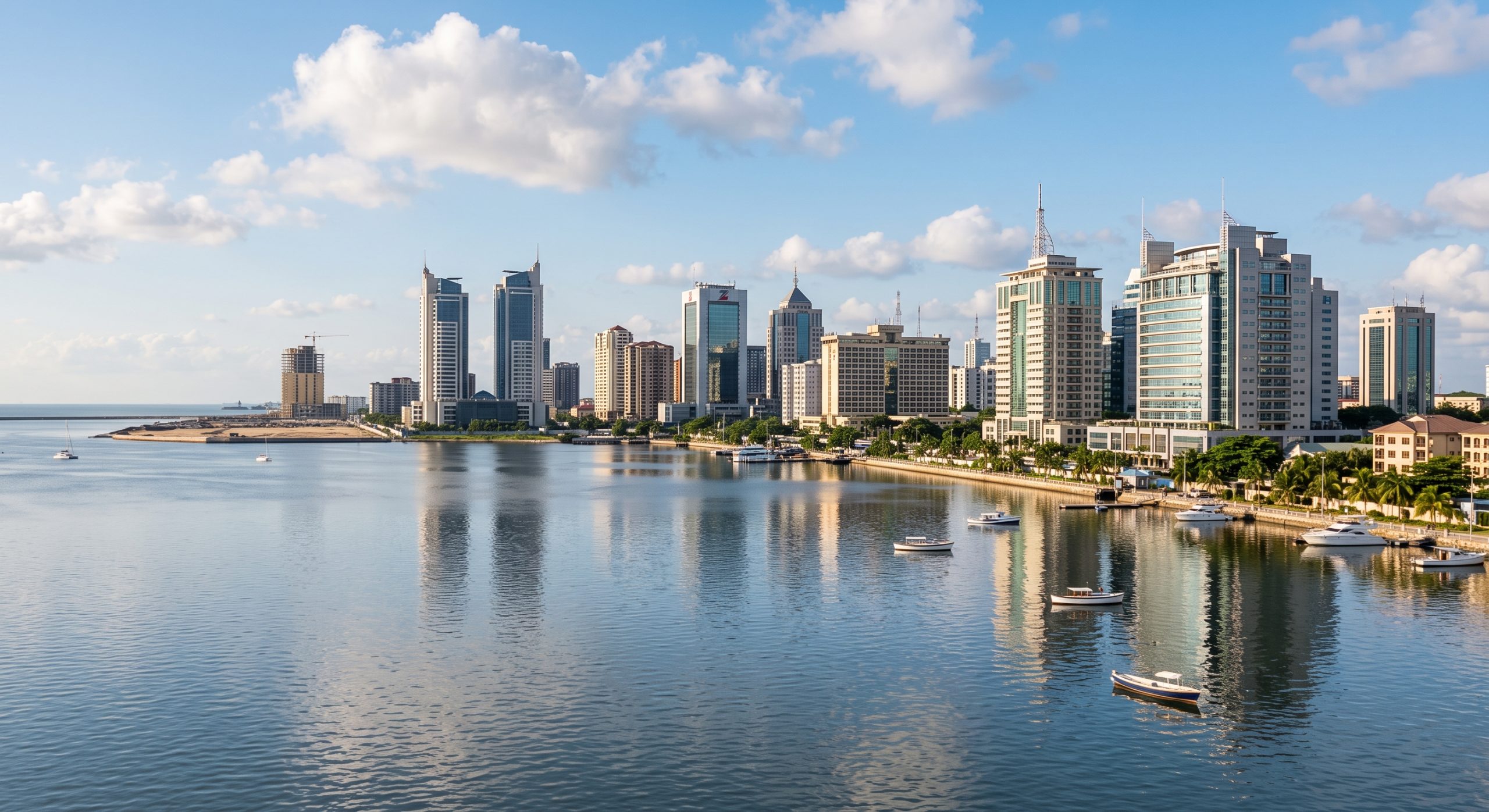
For decades, Victoria Island has been Lagos’s shorthand for blue-chip real estate. It remains one of Nigeria’s strongest commercial addresses, home to banks, multinational companies, luxury hotels, embassies, restaurants and high-end residential developments. But prestige alone does not make a property a good investment. In Victoria Island, the answer depends on the asset, the title, the tenant and the investor’s currency strategy.
The argument for Victoria Island is straightforward. Demand is concentrated. Corporate occupiers, financial institutions and other businesses want to be close to their clients. Well-managed apartments close to offices, schools, hospitality and leisure facilities are preferred by executives and expatriates. This supports rents for well-located, professionally managed buildings, particularly serviced apartments, compact luxury units and Grade A offices.
The area also benefits from its position within Lagos’s wider coastal growth corridor. Nearby Ikoyi and Eko Atlantic expand the pool of corporate, residential and hospitality demand. Knight Frank’s Nigeria market reports have consistently identified Lagos’s prime districts as the country’s deepest and most liquid real-estate markets, even during periods of economic stress.
But investing in Victoria Island is not risk-free
The first issue is affordability. High purchase prices, service charges and construction costs, and rental returns can be diluted by vacancy, agency fees, maintenance and generator costs. What looks to be a good headline yield could end up delivering a much lower net return when these deductions are factored in. Investors should be calculating net yield, not advertized rent, using realistic occupancy and a full annual cost schedule.
Currency risk is equally important. Most property transactions are priced in naira, while construction materials, equipment and some rents are influenced by foreign-exchange conditions. Naira depreciation can reduce the value of local-currency income for dollar-based investors, even when nominal rents rise. Conversely, a well-located property with strong dollar-linked demand may provide a partial hedge, but this should never be assumed.
Physical and legal due diligence is essential. Victoria Island faces coastal exposure, drainage constraints and periodic flooding. Buyers should inspect flood history, access roads, drainage, power arrangements, water supply and the building’s sinking fund. High service charges are not necessarily a problem if they deliver reliable security, lifts, cleaning, waste management and power; they are a problem when they are opaque.
Title verification is non-negotiable. A buyer should confirm the root of title, Governor’s Consent where applicable, survey plans, planning approvals, building compliance and any encumbrances through qualified professionals and the relevant Lagos authorities. The cheapest unit can become the most expensive purchase if ownership or approvals are defective.