

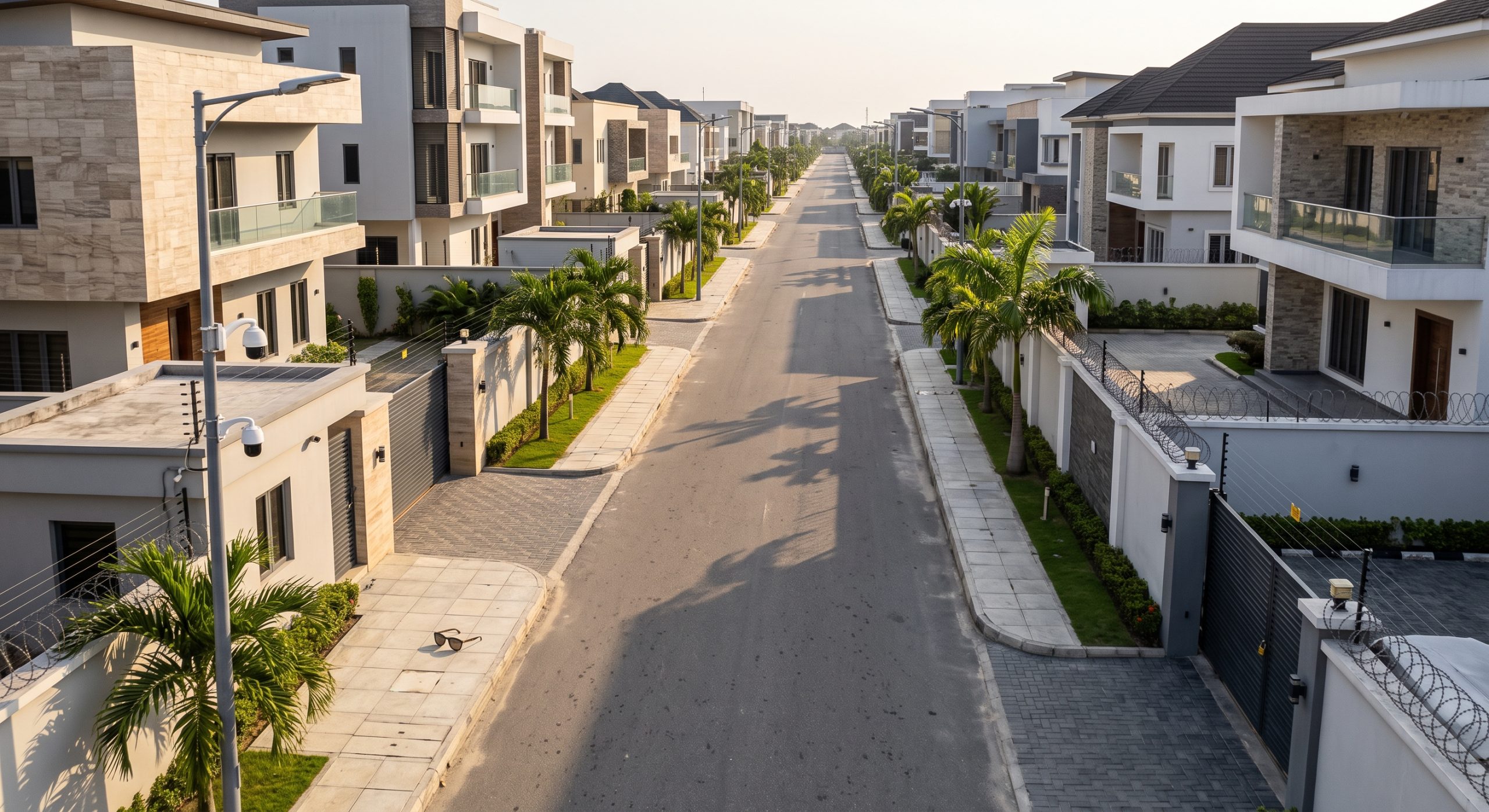
Short answer: fairly safe by Lagos standards, but there are risks.
Lekki Phase 1 is one of the richest and most fortified areas of Lagos. There are gated estates, private security companies, commercial centers, restaurants, schools and a large expat community. The main roads are busy and visible, and police and private patrols are common. For those residents and visitors who take reasonable precautions, life is mostly quiet.
But the wealth of the neighborhood does not make it immune to crime. There is the possibility of burglary, street robbery, phone snatching, car theft and occasional armed attacks, as is the case across Lagos. The security situation can be different from street to street or estate to estate. An access controlled compound that is well managed can be perceived as safe, an unguarded building on a poorly lit road can be the opposite.
Public data make comparisons difficult. There is no regular crime dashboard at the neighborhood level in Nigeria, making it impossible to verify claims that Lekki is “the safest area in Lagos”. The U.S. State Department and the British Foreign, Commonwealth and Development Office continue to warn travelers about crime, kidnapping and civil unrest in Nigeria generally; neither considers affluent districts to be risk-free.
For many residents of Lekki, environmental and infrastructural dangers loom larger. Heavy rainfalls cause floods. Blocked drains, tidal influence and rapid development can turn roads into impassable stretches, disrupt electricity and delay emergency services. Traffic is always an issue too. Motorists may get stuck in traffic along the Lekki–Epe corridor, while poor visibility, speeding, and a lack of consistent discipline on the road raise the risk of accidents.
And then the psychological side of it. Lekki’s gated environment can seem insulated from the rest of the city. Don’t let that confidence become complacency. Don’t flaunt your phones and money in the street. Use trusted ride-sharing apps and make sure the taxis you hire are licensed. Do not give out your residential information casually. Visitors are warned not to walk alone late at night, especially on quiet roads, beaches and poorly-lit access routes. “Residents should maintain operational gates and alarms, have emergency contacts on hand and check on domestic staff and contractors.
During heavy rain, check local weather and traffic updates before travelling. Ask estate management about flood history, backup power, water supply and security procedures before renting or buying.