

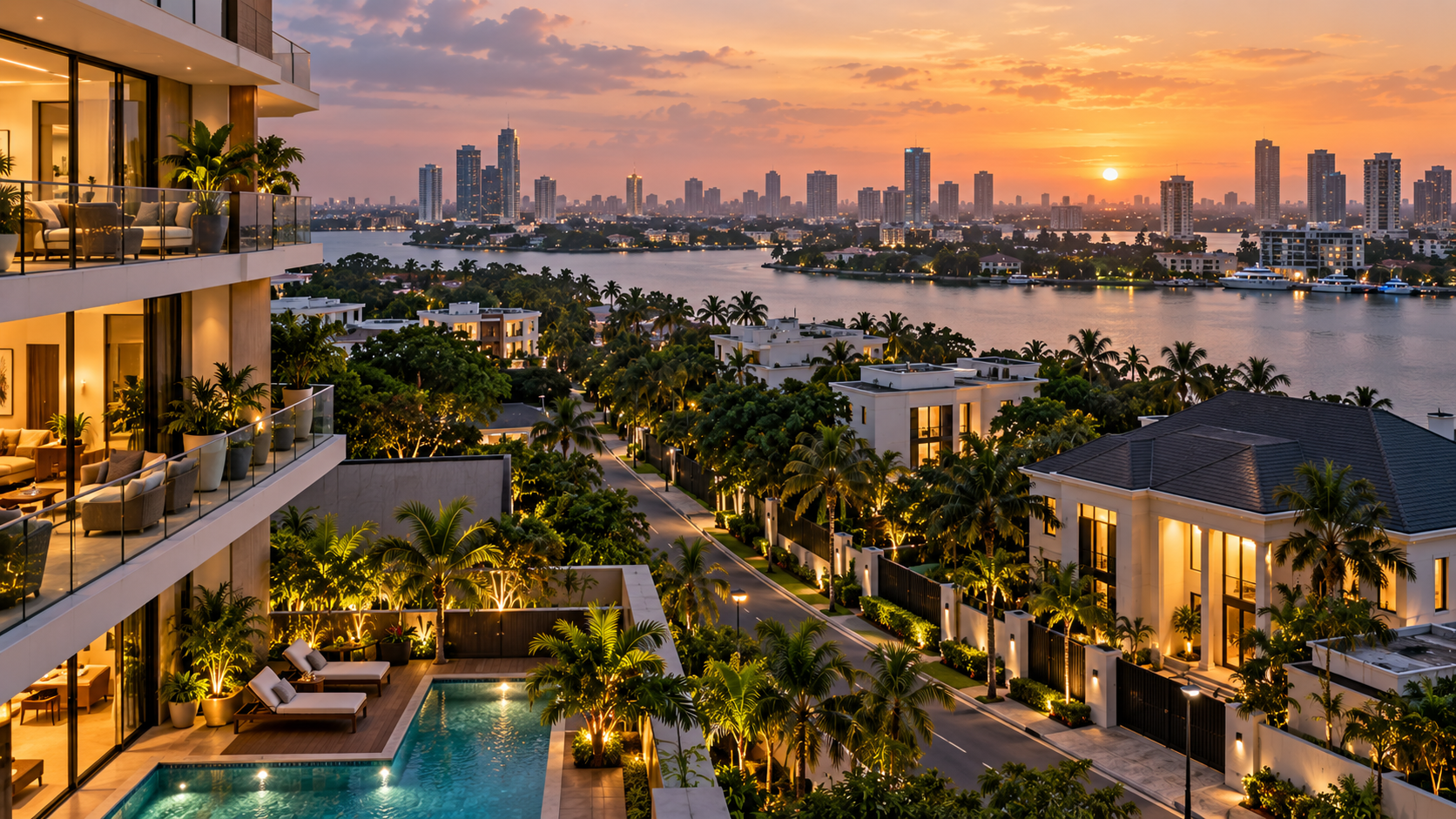
Ikoyi remains one of the most defensible property markets in Lagos, but it is not a guaranteed win.
The neighbourhood’s investment case is underpinned by three enduring advantages: scarcity, status and location. It is close to Lagos’s business areas, embassies, private schools, hospitals and high-end retails. Its well-established infrastructure and security profile also makes it a preferred address for senior executives, expatriates and rich Nigerian households.
Demand is highest for well-managed apartments, serviced residences and secure family homes. Rental income can be appealing, especially with furnished units rented to corporate tenants. The market generally estimates gross residential yields in prime Lagos to be in the region of 5-8%, but actual returns vary greatly depending on the quality of the building, the purchase price, vacancy periods, service charges and furnishing costs. But gross yield doesn’t mean net profit. Maintenance, generator fuel, security, estate fees, taxes, repairs and void periods can all make a big difference to returns.
Capital appreciation is harder to quantify. Naira depreciation has boosted local-currency property prices in Nigeria, but that does not necessarily mean investors have made money in dollar terms. Even in a rising market a property bought at an inflated price or one that requires expensive refurbishment may under perform. Therefore, it is advisable for buyers to compute returns in both naira and a stable foreign currency benchmark.
Ikoyi too has real risks. Luxury apartment supply has grown across Ikoyi, Banana Island, Victoria Island and Eko Atlantic. Not every development will stay premium. Buildings with unreliable power, poor water systems, inadequate parking or weak facility management can lose tenants fast. Another common complaint is high service charges, especially when dealing with imported equipment and diesel-powered infrastructure.
In particular flooding and drainage should be considered. With Lagos’s coastal geography, stormwater management is not just an environmental issue, but an investment issue. Check the property’s elevation, basement design, access roads and insurance arrangements before buying.
Legal due diligence is critical. Buyers are advised to make their own inquiries regarding the title, survey plan, Governor’s Consent (where applicable), planning approvals, building permits, existing mortgages, allocation history and the seller’s authority to transfer the property. These checks should be carried out by a reputable property lawyer, not the developer’s solicitor. Investors also need to check that a development has approved use and that service charge obligations are clearly documented.
The best Ikoyi investments are not always the flashiest. They are well-titled, efficiently run properties in proven locations, bought at a disciplined price and held for the long term. The realistic holding period is 5 years or more, especially when transaction costs and the time to find a buyer are factored in.