

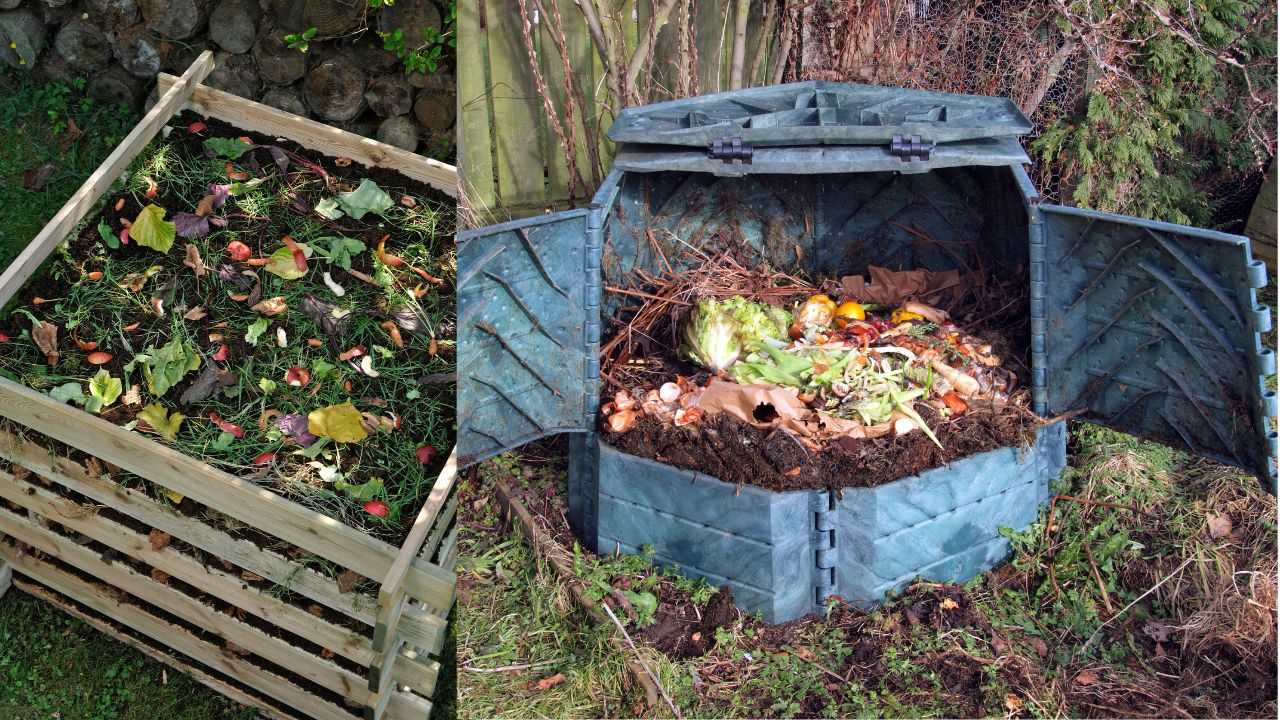
Composting on a high-density estate isn’t necessarily about finding a garden, it’s about choosing the right biology for the space. A household composter, done right, can reduce food waste, produce a useful soil amendment and reduce the number of bin collections required. If done badly it can be a warm, wet source of smells and fruit flies.
The need is great. The United Nations Environment Program estimates that 1.05 billion tons of food was wasted globally in 2022, with households accounting for 60 per cent of that total. Much of it might have been managed at home, but only with an apartment-life system.
First, choose your method
For a balcony or utility area, there are three practical options.
A worm bin: is low-key and quiet. Red worms (usually Eisenia fetida) compost vegetable peelings, coffee grounds, and other plant-based scraps. They prefer damp bedding, temperatures of 15°C to 27°C, and shelter from direct sunlight and heavy rain. A healthy bin will smell of earth, not sour. Do not feed worms meat, fish, dairy, greasy foods, and large quantities of citrus and onion.
An aerobic composter is suitable for households with a courtyard, rooftop garden or shared service area. It needs a mix of “greens” (fresh food scraps and grass) and “browns” (shredded cardboard, dry leaves and untreated paper). The carbon-rich stuff is important: Without it, too much moisture and nitrogen makes ammonia and rotten-egg smells.
Construct for construction
Make sure to check estate rules, balcony load limits and where the drain is before buying equipment. A composter should be sited on a firm, shady surface with a tray underneath. Do not place it in bedrooms or common corridors. For aerobic systems, use a sealed lid with ventilation rather than an airtight container.
Chop large scraps, add a thin layer of browns after each food-waste deposit, and avoid adding liquids. The contents should feel like a wrung-out sponge. If the bin smells, add dry carbon and mix gently; if it is dry, add a little water. Fruit flies usually indicate exposed food, so cover fresh scraps with bedding or browns.
The finished material is dark, crumbly and earthy-smelling. Use it as a soil conditioner, not a complete fertiliser: mix it into potting soil or garden beds rather than planting directly into it. Never compost diseased plants, pet waste or chemically treated materials in a household system unless local guidance explicitly permits it.
In an estate, the best composter is not the largest. It is the one residents can maintain every day, and the building can live with.