

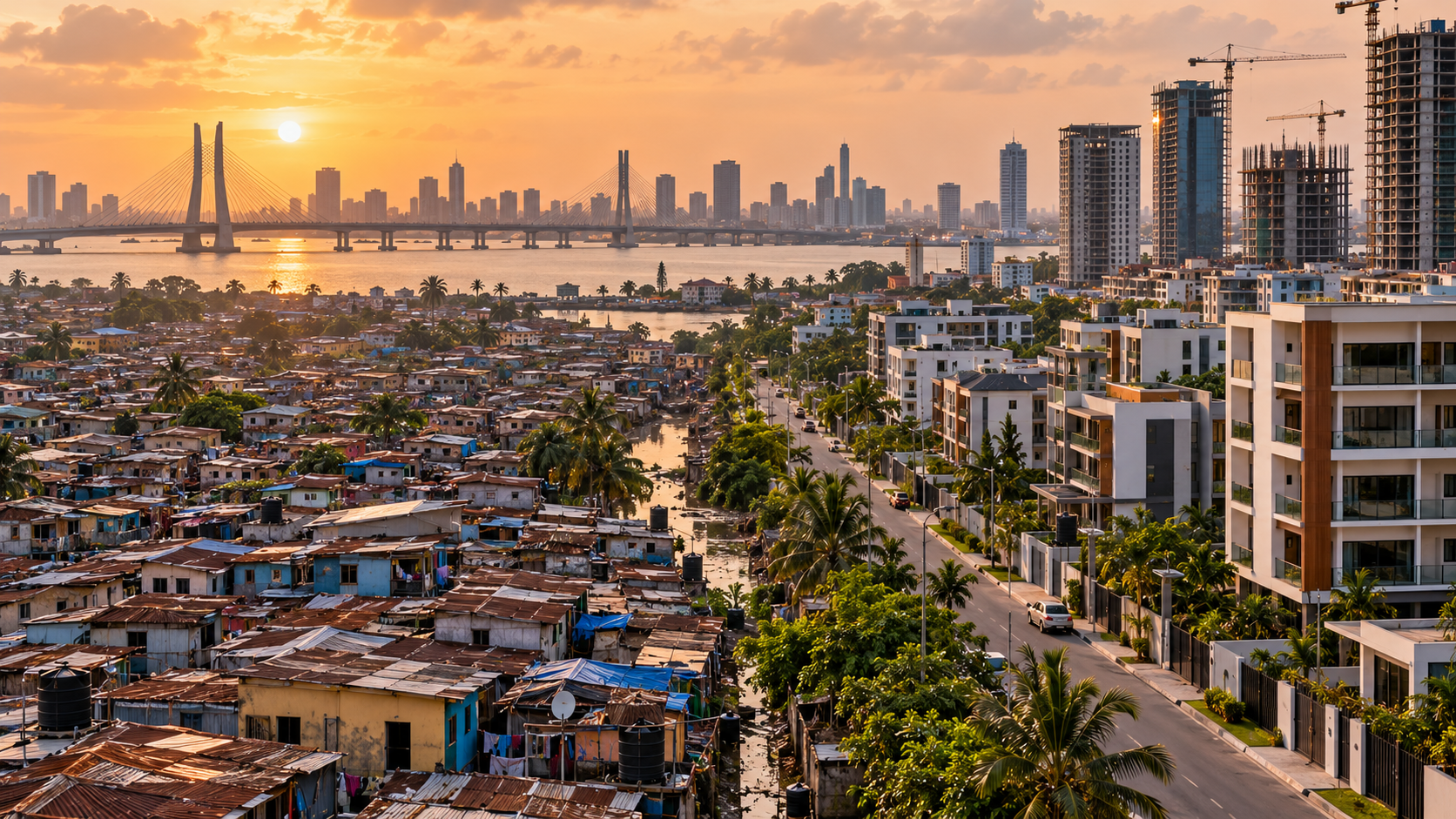
Lagos needs a credible housing strategy and the cash to deliver it over many years.
The scope of the problem is however very huge. Lagos State has not had a population census since 2006, and estimates for the larger metropolitan area range from around 15 million to over 20 million people. The estimates for the housing deficit are more uncertain. Official estimates of the number of homes needed range from 2.5 million to five million depending on whether they include overcrowding, informal settlements or households unable to afford formal housing.
That doubt is important. The last census of the population of Nigeria was in 2006 which makes planning accurately difficult. But the trend is clear: Lagos is growing faster than the formal housing supply. The result is well known – rents that eat up a large chunk of household income, long commutes, overcrowded rooms and the rise of informal settlements on land prone to flooding.
The figures are jaw-dropping. Lagos state had approved a budget of about ₦5 trillion for 2025. But not all the budget could have gone to housing. It had to pay for transport, schools, health care, security, salaries and debt repayments too. Merely allocating large housing would not produce millions of affordable homes.
And it’s not just the cost of building. A modest house needs serviced land, roads, drainage, water, electricity and legal documents. In Lagos, infrastructure can cost as much as or more than the building itself in undeveloped areas. To build on wetlands or without drainage simply passes the cost to residents through flooding and unsafe living conditions.
The better question then is not whether Lagos needs “trillions a year” but how much capital, from whom and for what purpose. Public money should be targeted at land assembly, infrastructure, planning, rental housing and targeted subsidies. Private developers will build more units if they have secure land titles, quicker approvals and long-term finance.
Mortgage finance is a big weakness. Nigeria’s mortgage debt is estimated at less than one per cent of gross domestic product, compared with levels common in developed housing markets. Most Lagosians cannot afford standard mortgages and developers have to take out costly short-term loans. The result is a market aimed at high-income buyers and not at teachers, traders, civil servants and young professionals who make up the city’s labor force.
Lagos also needs to stop measuring success by the number of luxury towers completed. A functioning housing policy would publish a current household and land survey, set annual targets by income band, protect tenants from arbitrary eviction, upgrade informal settlements and release publicly owned land transparently.
So, yes: solving Lagos’s housing crisis will require investment running into trillions of naira over a decade or more. But spending trillions each year without better data, cheaper finance, serviced land and accountable planning would produce little more than expensive announcements.