

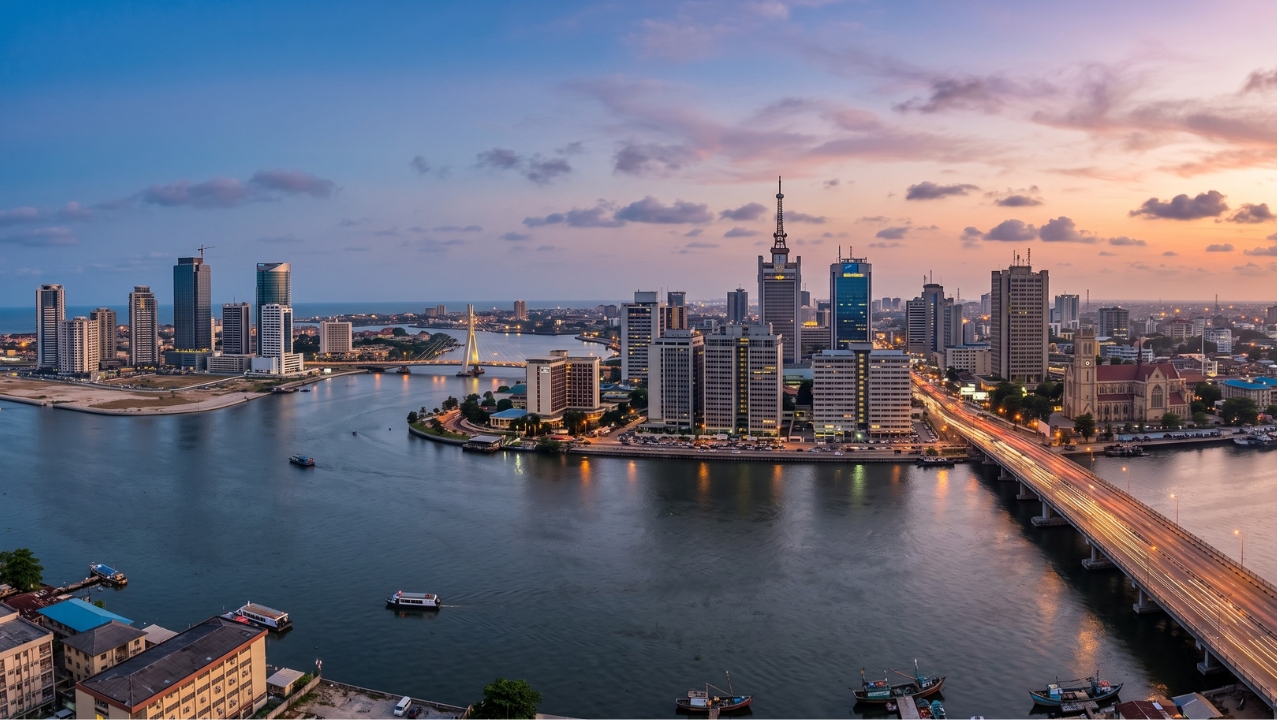
Drive through Victoria Island, Ikoyi or Abuja’s Central Business District today and the transformation is stark: glass curtain walls, shimmering with reflections, have taken over from the block-and-render commercial towers that marked out Nigerian cities for decades. Glass facades have gone from being a luxury statement for bank headquarters to a mainstream aspiration for everything from mid-rise apartments to boutique hotels. Here’s why, and what it really costs to build like this in Nigeria’s climate:
Why glass took over
Part of the appeal is purely aesthetic: glass reads as modern, corporate and internationally competitive in a way that render and paint simply don’t, and developers know it sells units and signs tenants faster. But the practical motivations are equally important. Glass facades on deep floor plates provide substantially more natural light than punched windows in a solid wall, reducing daytime lighting costs in commercial buildings. They also go up faster at scale, once the structural frame is up, a curtain wall system goes in much faster than custom masonry detailing, which matters in a construction environment where financing costs penalise slow builds.
The climate issue we don’t discuss enough
The elephant in any meeting of glass buildings in Nigeria is the tropical heat. Buildings with fully glazed facades and poor solar control function as greenhouses, increasing the need for air-conditioning, and electricity bills, in a country where electricity is neither cheap nor always available, far more than an equivalent masonry building. Buildings getting this right are using low-emissivity (low-E) coated glass, which reflects a large share of solar heat, but still allows visible light to pass through, in conjunction with external shading elements: projecting sunshades, vertical fins, or a secondary perforated screen layer set slightly off the main facade. Buildings that forgo these measures to save on upfront costs usually pay for it many times over in cooling bills over the life of the building.
Cost realities
Glass curtain walling is genuinely expensive compared to conventional Nigerian block construction. Imported glazing systems, aluminium framing and the specialist installation labour needed all come at a premium, and almost all of it is dollar-denominated, which makes glass facade projects unusually exposed to naira volatility. This is forcing more and more developers to adopt hybrid facades: solid masonry or precast panels on the sun-facing elevations (usually east and west in Nigeria’s latitude), with glass concentrated on north and south faces or used more sparingly as accent panels rather than full curtain walls. It is a really clever compromise because it takes the visual language of a glass building and achieves it at a fraction of the cost of full glazing and the cooling burden.
Where the trend is going
But glass is also on the rise in high-end residential architecture, beyond commercial towers, feature windows, glass-enclosed staircases, indoor-outdoor sliding walls that open onto pools or gardens. This is the sort of design language we see in celebrity residences across Lekki and Banana Island. For home owners who like the look but not the commercial cost a single glazed feature wall or glass box extension (a sunroom or garden room really) can offer much of the visual impact at a manageable cost, especially when specified with a solar control film rather than full low-E glazing.
For builders now, the bottom line
Glass facades are here to stay in Nigerian architecture, the aesthetic and commercial appeal is just too strong. But the buildings that will stand the test of time over the next decade are those treating glass as one carefully placed material among several, with genuine solar engineering behind it, rather than developers chasing the look with basic clear glazing and hoping air conditioning will cover the gap.