

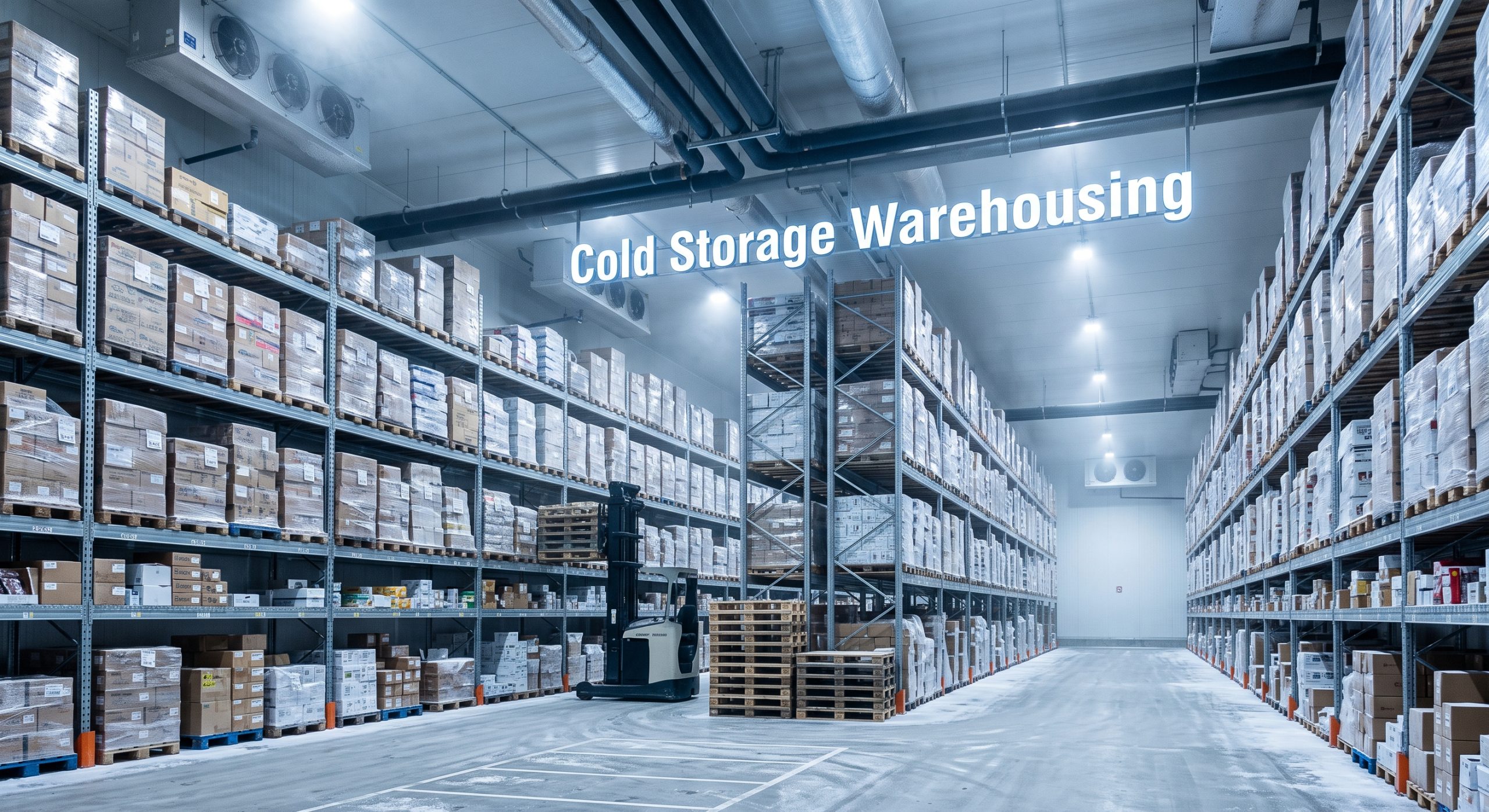
Nigeria’s next industrial property opportunity may not be another office tower or shopping mall. It may be a temperature-controlled warehouse beside a port, food-processing cluster or major highway.
Southern Nigeria is the country’s commercial and consumption engine. Lagos handles the bulk of national maritime trade; Ogun has become a manufacturing corridor; while Port Harcourt, Aba, Benin City and Calabar serve dense markets across the southeast and south-south. Yet the region’s cold-chain infrastructure remains thin, fragmented and expensive.
That gap has consequences. Nigeria’s food losses are commonly estimated at between 30 and 40 percent for some perishable commodities, although the figure varies by product and supply chain. Fruits, vegetables, meat, fish and dairy often move through unreliable refrigeration or none at all. The result is avoidable waste, volatile prices and limited access to higher-value markets.
Cold storage is also becoming a strategic requirement, not merely a logistics convenience. Nigeria’s population exceeds 220 million, according to United Nations estimates, and its cities are expanding rapidly. Supermarket chains, restaurants, online grocers, pharmaceutical distributors, and food processors increasingly need dependable temperature-controlled inventory. The growth of vaccines and other healthcare products adds another source of demand.
The opportunity for property investors is in the lack of the infrastructure. A modern facility might have chilled and frozen rooms, blast freezing, loading bays, backup power, solar generation, water treatment, and digital monitoring. These assets, close to Lagos ports, the Lekki corridor, the Lagos–Ibadan axis, Onne, Aba or other major consumption centers, are capable of being occupied by more than one tenant.
But a cold storage facility is not just a warehouse. Energy is its biggest operating risk. The grid in Nigeria remains unreliable so businesses rely on diesel generators and increasingly hybrid systems. So the investment case for a facility is as much about power engineering as it is about land value. Whether rents can be sustainable returns hinges on efficient refrigeration, solar-plus-battery systems and thermal insulation.
The best projects will also be designed around supply chains, not square meters. A warehouse near a port is useful for imported frozen food. One near farms or processing plants may be more suitable for produce aggregation and export. Flexible rooms, short term storage, cross docking and fleet access can attract food manufacturers, distributors and pharmaceutical companies.
Regulation will count. Operators must comply with the requirements of agencies such as NAFDAC, the Standards Organisation of Nigeria and environmental authorities, while maintaining auditable temperature records. Food safety failures can destroy both a tenant’s business and an asset’s reputation.
Southern Nigeria’s cold-chain shortage is a logistics problem, and a real-estate opportunity. The winning developers will not build empty boxes. They will create reliable, energy-conscious infrastructure at the points where food, medicine and consumers converge. In a market where spoilage is still treated as inevitable, temperature-controlled warehousing could become one of the region’s most valuable industrial assets.