

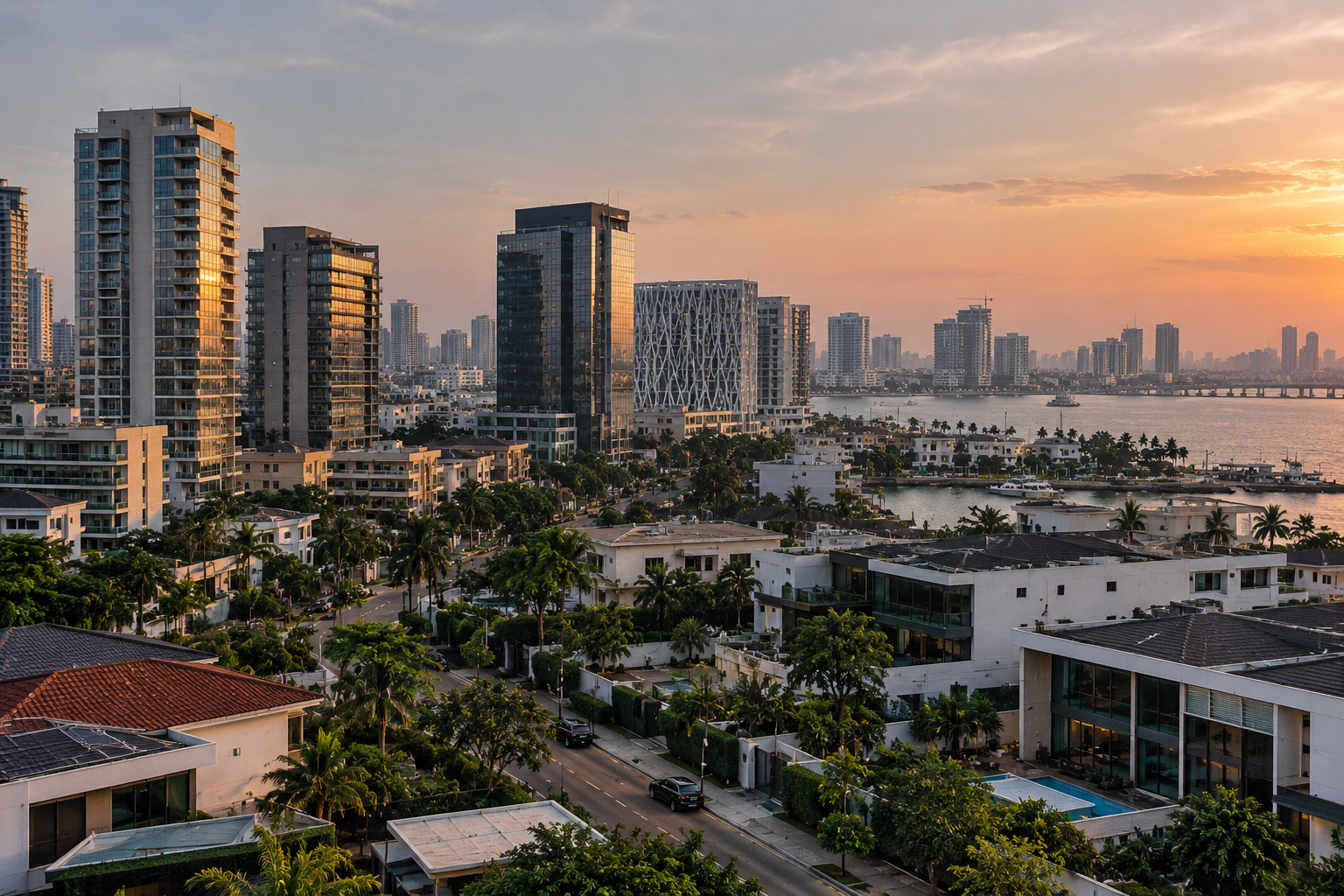
Victoria Island remains one of the most sought-after real estate markets in Lagos. Its appeal is as much practical as prestigious: the district offers a combination of proximity to major financial institutions, multinational companies, embassies, hotels, restaurants and private hospitals along with access to Lagos’s Atlantic waterfront. It is also close to Ikoyi, Lekki and Eko Atlantic, putting residents in one of the city’s most important commercial corridors.
But buyers must be sure of what they are paying for. Victoria Island is not a one market. Older residential streets, office districts, waterfront developments and mixed-use towers can vary wildly in price, infrastructure, service charges and investment potential. A professionally managed well located building can command a premium. An aging property with unreliable power , inadequate parking or unresolved title issues can become expensive to own .
First Title
In Nigeria, the Land Use Act of 1978 places land in trust under each state’s governor. A buyer should check the title of the property at the Lagos State Lands Registry before signing or paying a substantial deposit. Relevant documents may include a Certificate of Occupancy, Governor’s Consent, Deed of Assignment, survey plan and evidence of registration depending on the property.
An independent search should be done by a lawyer, not the agent for the seller. The search should establish ownership, reveal any mortgages or disputes in court, find out if the property has been sold previously and check that the building meets planning requirements. The transfer of an existing statutory right of occupancy may require the Governor’s Consent. Stamp duties, registration fees and consent charges are also to be budgeted for and they vary depending on the transaction and the official assessment.
Price is only the entry point
The purchase price is just one part of the cost. Buyers should calculate service charges, diesel or generator expenses, security, insurance, repairs, parking, property taxes and legal fees. In high-rise developments, service charges can rise significantly when lifts, water systems, generators and cooling infrastructure require major maintenance.
Inspect the building at different times of day. Ask for audited service-charge accounts, sinking-fund records, power arrangements, water-testing reports and the minutes of residents’ or owners’ meetings. For an investment property, examine achievable rent rather than advertised rent, as vacancy periods, furnishing costs and tenant turnover affect returns.
Location does not remove risk
Victoria Island’s coastal, low-lying setting makes drainage and flooding important considerations. Buyers should inspect access roads after heavy rain, ask about the building’s flood history and confirm the condition of pumps, drainage channels and electrical equipment. Proximity to the ocean also makes construction quality, waterproofing and corrosion control especially important.
The strongest purchases are not necessarily the most expensive. They are properties with clean title, credible developers, transparent management, resilient infrastructure and a location that will remain convenient as Lagos expands. In Victoria Island, due diligence is not a formality; it is the foundation of the investment.