

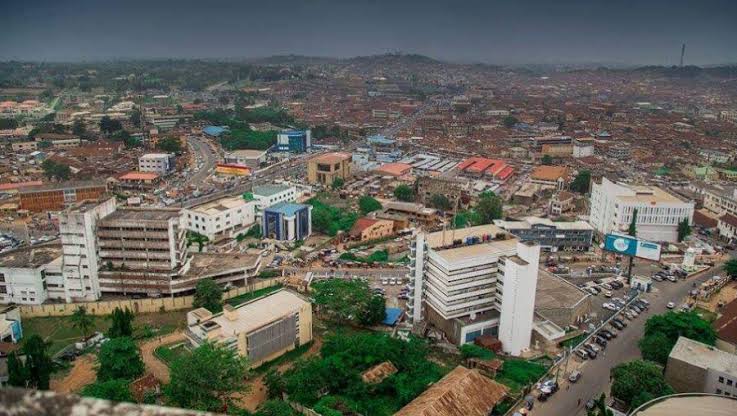
Few neighbourhoods in Ibadan have Bodija’s social and architectural currency. Bodija was built in the mid-20th century as part of the city’s planned residential expansion and became the home of senior civil servants, academics, professionals and business families. The appeal was simple: big plots, fairly wide streets, mature trees and proximity to the institutions that formed the elite of Ibadan.
That appeal has not vanished. It’s been reshaped.
Old and New Bodija is experiencing a rising trend of substitution of ageing bungalows for small luxury apartments, serviced residences, private clinics, design-led offices and small hospitality projects. The new developments are seldom large estates. They are usually modest, small-scale plans that try to put valuable lots into an existing neighbourhood.
The first reason is the location. Bodija is also close to the University of Ibadan, University College Hospital, government offices and some of the city’s established commercial corridors. The University of Ibadan was established in 1948 and UCH in 1957. They created a permanent residence for academics, doctors, consultants, expatriates, students’ families, and professionals, many of whom prefer centrality and familiarity to the isolation of peripheral gated estates.
Bodija also enjoys something newer: Ibadan’s burgeoning premium rental/short-stay market. Professionals commuting between Lagos and Ibadan, Nigerians returning home, corporate visitors, and families visiting hospitals or universities are increasingly looking for serviced apartments with reliable power, security, parking and hospitality-style management. A boutique development can cater to that demand more efficiently than a detached house.
The economics of land are equally important. Few empty lots are in a developed neighborhood. As property prices escalate, it is no longer economically feasible to keep one large bungalow on a well-located property, when several well-planned units can be built to replace it. Redevelopment can provide families who own inherited property with access to capital without leaving the area.
But Bodija’s worth is not just one of finances. Its landscape maturity and established street pattern give it an identity that newer suburbs can’t quickly replicate. So developers are selling more than floor area. They’re selling address, privacy, access and a sense of permanence.
Risks are inherent in the transition. Intensification may put pressure on drainage, parking, water supply and local roads. Improperly designed replacements could strip the trees, overburden infrastructure or erode the low rise character that made Bodija attractive. The quality of planning enforcement and design will determine whether the district becomes stronger or declines faster.
Bodija’s next chapter is a test in urban stewardship. It’s old wealth made the place valuable; its new wealth must learn how to build without destroying it.