

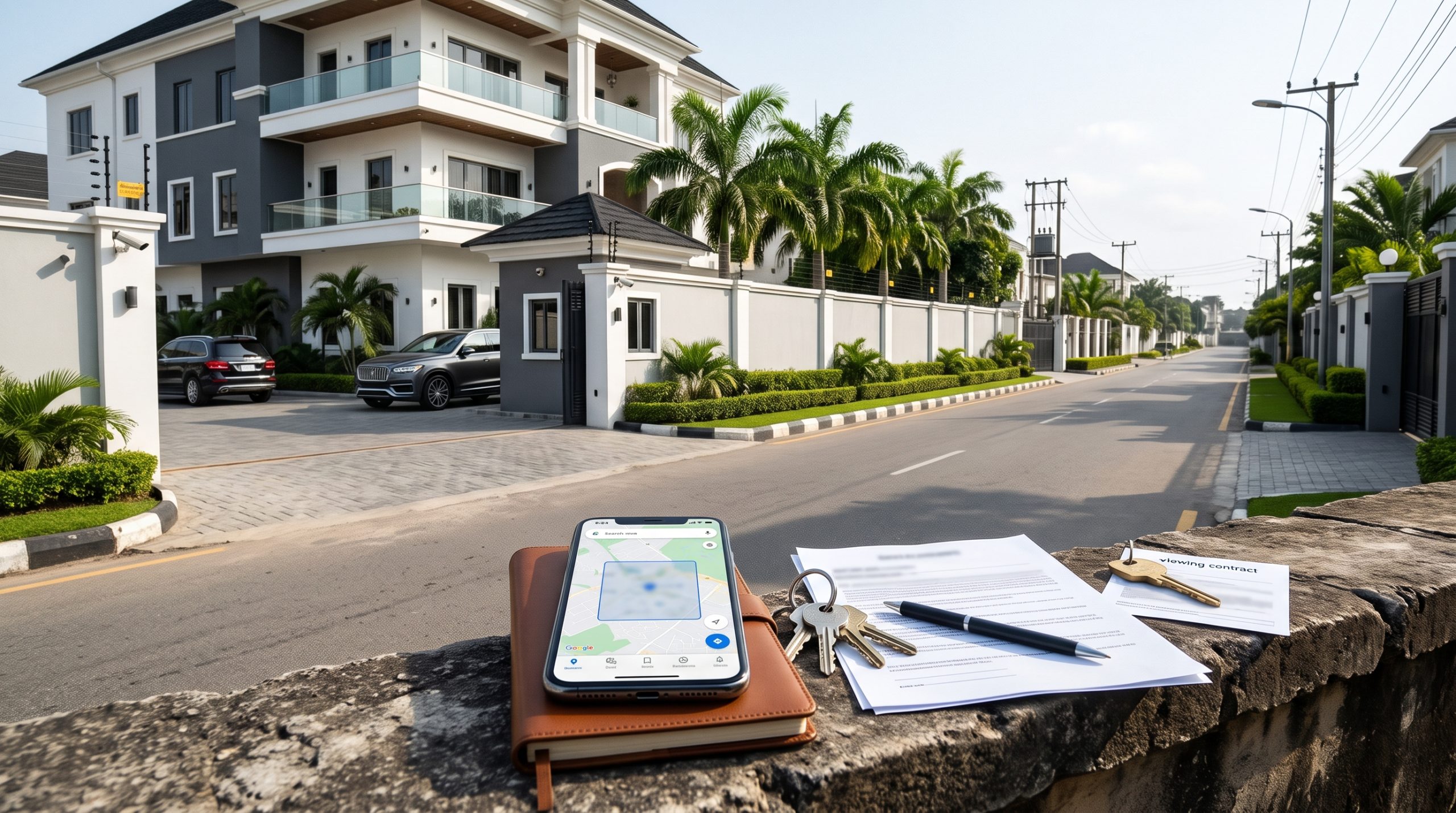
When a property agent refuses to share a home’s exact address, it can feel evasive. Sometimes yes. But often the decision is not about trying to hide something but privacy concerns, security risks or the seller’s instructions.
The most obvious reason is for safety. Owners who are high-profile, public figures or involved in contentious divorces or legal disputes may not want their homes easily identifiable online. Even regular sellers can worry about burglary, stalking or unwanted visitors, especially when a property is empty, has children in it or is full of valuable contents.
Thus agents can only publish a street name or approximate map location. That’s typical of online listings, where photos and floor plans can give enough information to strangers to locate a home. Some agents don’t even show an address in early marketing, before the seller is ready for viewings.
Another explanation is “quiet” or off-market selling. The owner may want to test demand without advertising the property. “This can apply to expensive homes, sensitive sales and properties marketed discreetly to a small pool of buyers. In such cases, the agent can only give out the full address after establishing the identity, finances or seriousness of a prospective purchaser.
This has a commercial side, too. Some agents use the address as information they give in exchange for registering, a phone call or viewing appointment. This enables them to verify if a buyer is truly qualified and to follow internal security protocols. It can also prevent other agents, investors or opportunistic buyers from going directly to the owner.
But not all refusals are valid. A vague location can make it difficult to judge transport links, flood risk, school catchment areas, planning history or whether the property is near a noisy road or industrial site. Online maps are useful, but an approximate pin is no substitute for a precise address when conducting proper due diligence.
The legal position varies by country. Privacy and data-protection laws do not generally create a universal right for agents to conceal a property’s address, nor do they always require the address to appear in an advertisement.
A sensible response is to ask why the address is being withheld and when it will be disclosed. A reputable agent should provide a clear explanation, enough information to judge the location, and the exact address before a serious offer or formal due diligence. If they refuse even then, or become defensive about basic questions, treat it as a warning sign and consider independent checks.