

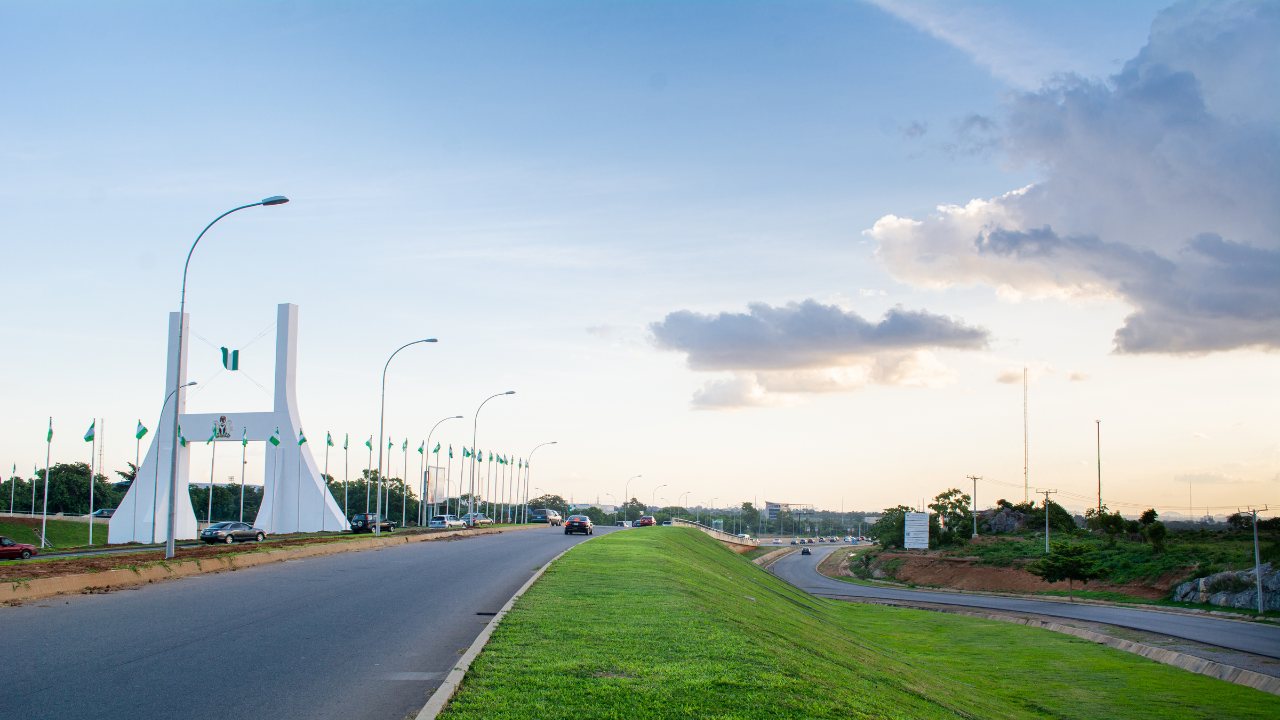
Central Abuja has always been Nigeria’s best address. Maitama, Asokoro, Wuse II and parts of Garki are near government, embassies, corporate offices and high-end services. That demand concentration has resulted in some of the highest residential prices in the country, and an extreme price-to-income ratio.
In these areas you will see advertised a typical two or three bedroom flat for tens or hundreds of millions of Naira depending on location, age, finishing and title. Detached homes are much more expensive.
The scale of asking prices on Nigeria Property Center and other property platforms gives an idea of prices but these cannot be used in place of verified transaction data. Many high-end properties are also priced or informally benchmarked in U.S. dollars, adding another element of currency risk as the naira weakens.
If you compare prices to wages, the affordability gap is more evident. In 2024, Nigeria’s national minimum wage increased to ₦70,000 a month, or ₦840,000 a year before deductions. This means a ₦100 million property is equivalent to about 119 years of gross minimum wage earnings, not including food, transport, education and other expenses. Even professional households with an annual income of several million naira, buy price could be more than 10 years gross income.
There is no official, regularly-published price-to-income index for central Abuja. That data gap is important. Earnings vary widely across occupations, and many high value transactions are private. Widely cited housing deficit numbers often estimated at more than 20 million units nationally measure a shortage of homes, not a shortage of homes that households can afford.
There are several forces at play explaining the premium. Abuja’s land-use plan restricts development in the most desired districts and title, infrastructure and security are considered scarce plots. Public-sector institutions and diplomatic missions provide a stable tenant base. Contractors, expatriates, executives and politically connected buyers bring buying power that is largely disconnected from the earnings of ordinary residents.
Finance makes the problem worse. Nigeria’s mortgage market remains small as a percentage of the economy, and mortgage rates are often too high for middle-income buyers. So, the usual purchase of central Abuja housing is cash, business proceeds or family wealth. This favours the asset-rich over the wage-earning household. Developers, meanwhile, tend to build for the buyers who can pay, reinforcing the premium segment rather than expanding affordable supply.
The result is a divided city. Central Abuja retains strong investment appeal, but its prices increasingly reflect wealth concentration and land scarcity, not local incomes. Unless housing supply expands beyond luxury stock, mortgage finance becomes cheaper and more accessible, and reliable transaction data is published, the capital’s price-to-income ratio will remain a warning sign: Abuja may be prosperous, but its most valuable neighbourhoods are becoming economically inaccessible to the people who work there.