

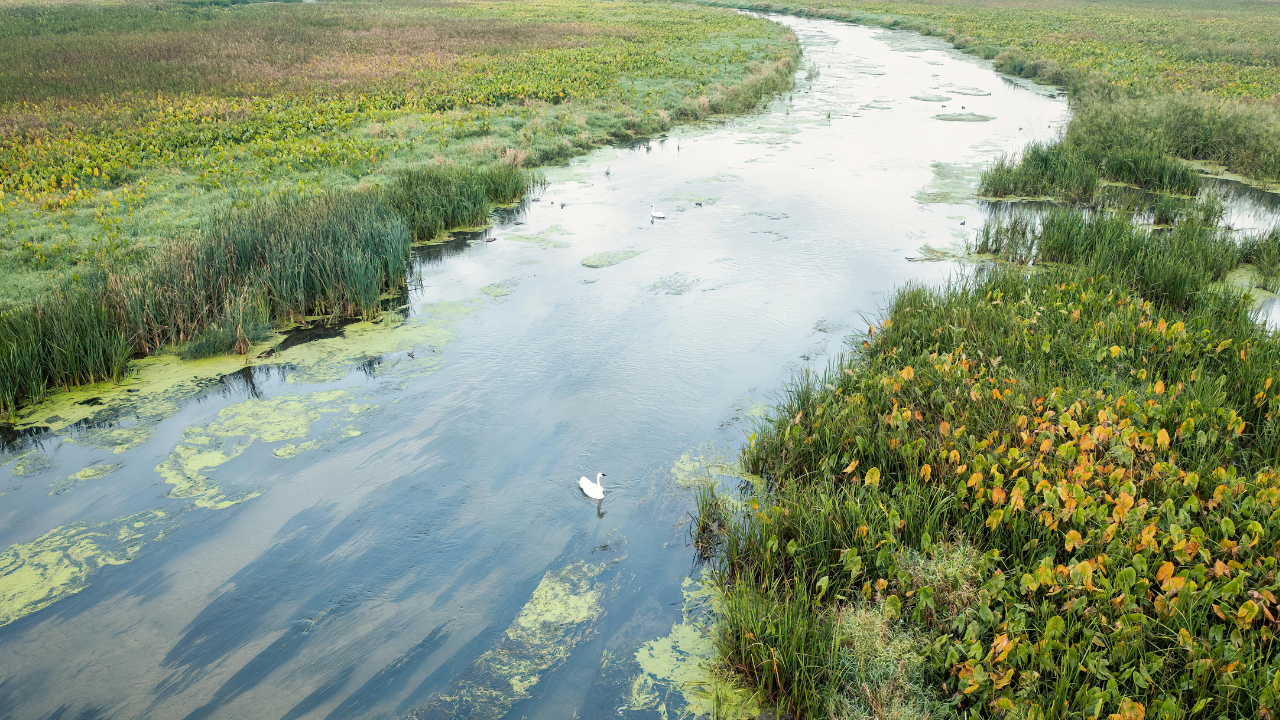
A marsh might seem strong enough to be used for building. It isn’t.
Beneath the grass and shallow water are layers of peat, organic silt, and soft clay, soils formed of partially decomposed vegetation and sediment. They can hold a lot of water, compress considerably under tension, and have a poor shear strength. A building may appear sturdy at first when water is drawn from the soil, but it may settle unevenly for years.
Instead of a dramatic collapse, foundation failures begin with a structure slowly rotating out of level, cracked walls, jammed doors, and burst utilities.
A comprehensive geotechnical analysis is the first line of defence. It replaces assumptions about the ground with measurements.
Engineers begin with a geological evaluation and site history to identify previous streams, filled wetlands, flood deposits, buried debris, and changes in groundwater.
They then drill boreholes and collect samples. Standard Penetration Tests show soil resistance, whereas Cone Penetration Tests continuously monitor resistance and pore-water pressure when equipped with a piezocone.
In wetlands, that continuous profile can reveal weak strata that widely dispersed boreholes would miss.
Laboratory testing converts these characteristics into design decisions. The amount and rate of soil compression are determined via consolidation tests. Triaxial testing is used to determine strength under controlled stresses.
Engineers also determine organic content, water content, grain size, and groundwater chemistry. There are other important questions besides “Can the soil carry the construction today?” The question is, “How much will it distort over the building’s service life?”
That is quite a difference. A layer of soft clay can carry a load without sudden shear failure but will not provide satisfactory long term settlement. Differential settlement happens when part of a building is built on peat and part on thicker sand. Even in cases where the average settlement is negligible, it can still damage the structure.
Testing also identifies risks that are easy to overlook. Lowering the groundwater table can hasten the oxidation and shrinkage of peat. The action of an earthquake may cause layers of loose, saturated sand to melt. Filling a marsh may cause weak soils to be laterally displaced, putting nearby pipelines, roads, and levees at risk.
The investigation informs the remedy. Among the options are deep piles or drilled shafts that extend to appropriate material; preloading and staged construction to force settlement before occupancy; vertical drains to speed consolidation; lightweight fill to reduce stress; and ground enhancement methods such as stone columns or deep soil mixing. Instruments like inclinometers, piezometers, and settlement plates are then used to verify the ground’s predicted response.
No test can eliminate uncertainty. But leaving one out creates risk instead of uncertainty. The most expensive part of construction in wetlands is often the ground that no one looked at.
.