

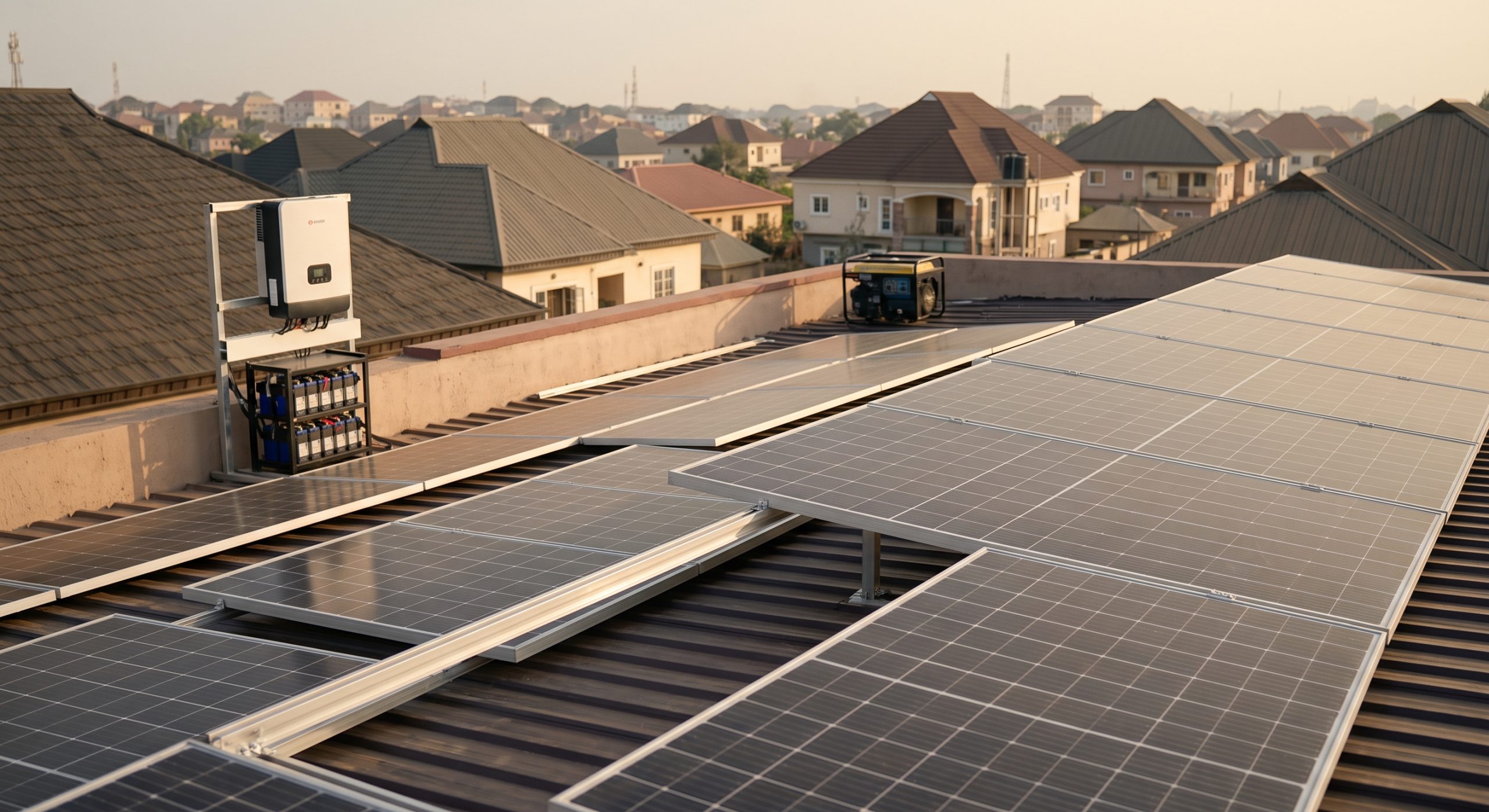
As grid electricity tariffs continue to rise and fuel prices for generators do not ease, solar power has gone from being a luxury add-on to a real necessity for many households in Nigeria. If you’re thinking of making the switch in 2026, here’s what the process typically looks like and what to expect to pay.
Step 1: Know your power requirements
Buy nothing until you decide what you really want to run on the system. A system that can provide basic lighting, fan power and a place to charge a phone or laptop needs far less capacity than one that has to run a fridge, a television, air conditioning units and a pumping machine. Most installers classify the residential requirements into three categories: small systems (1kVA-2kVA) for the essentials, medium systems (3kVA-5kVA) for a normal household with a fridge and few appliances and large systems (7kVA-10kVA and above) for a full house with multiple ACs and heavy appliances.
Step 2: Decoding the Elements
A full solar system is not simply about the panels, but an ecosystem of parts that have their own weight in cost:
Solar panels – about 25-30% of total system cost
Inverter and charge controller ~15-25%
Batteries – the largest cost item by far, usually 35-45% of the total Installation labor, mounting and wiring – about 10-15%
In 2026 the standard choice is monocrystalline panels, especially the newer N-Type TOPCon types which perform better in Nigeria’s heat producing significantly more energy than older polycrystalline panels at a higher upfront cost. A 3.5kVA–5kVA system requires 6 to 10 panels of 550W each to power a typical three-bedroom home.
Step 3: Set a Realistic Budget
The installation cost of systems in Nigeria is mainly dependent on the size and quality of the components used:
1kVA – 2kVA system ₦800,000 – ₦1.8 million 3kVA – 5kVA system: N2 million to N5.5 million
Full-home systems (7kVA and above): ₦5 million – ₦12 million and above
Most panels, inverters and batteries are imported so changes in naira exchange rates affect the final quotes directly. It is always best to get the pricing confirmed close to the date of actual purchase rather than relying on estimates given months earlier.
4. Select Roof or Ground Mounting
Most residential systems are roof mounted, but this depends on the condition, angle and sun exposure of your roof. Best is a south-facing, unshaded, structurally sound roof. If the roofs are not suitable, there are ground mounted arrays which generally use more space and have more structural work involved.
Step 5: Install and Test
With components received, a typical residential system can be installed in one to three days. Once the panels are installed and wired into the home’s electrical system along with the inverter and battery bank, the installer should test the entire system to ensure it is charging, storing and distributing power correctly.
Step 6: Upkeep
Solar systems are low maintenance but not zero maintenance. Panels should be cleaned regularly to remove dust, which is a real factor in Nigeria’s harmattan-affected dry months, and batteries should be checked regularly, especially lithium variants that tend to offer 8-15 years of reliable service if properly sized and maintained. Annual check-ups by a certified technician will help catch wiring or connection problems before they become expensive.
Always get quotes from at least two or three certified installers, ask for a breakdown separating panels, batteries, inverter and labor, and check if pricing is fixed in naira or tied to the exchange rate at time of delivery.